
Visiting The Nathan Hale Homestead in Connecticut

This content may contain affiliate links. For more information, see our disclaimer.

This post is a paid partnership with the Connecticut Office of Tourism. All opinions expressed are my own.
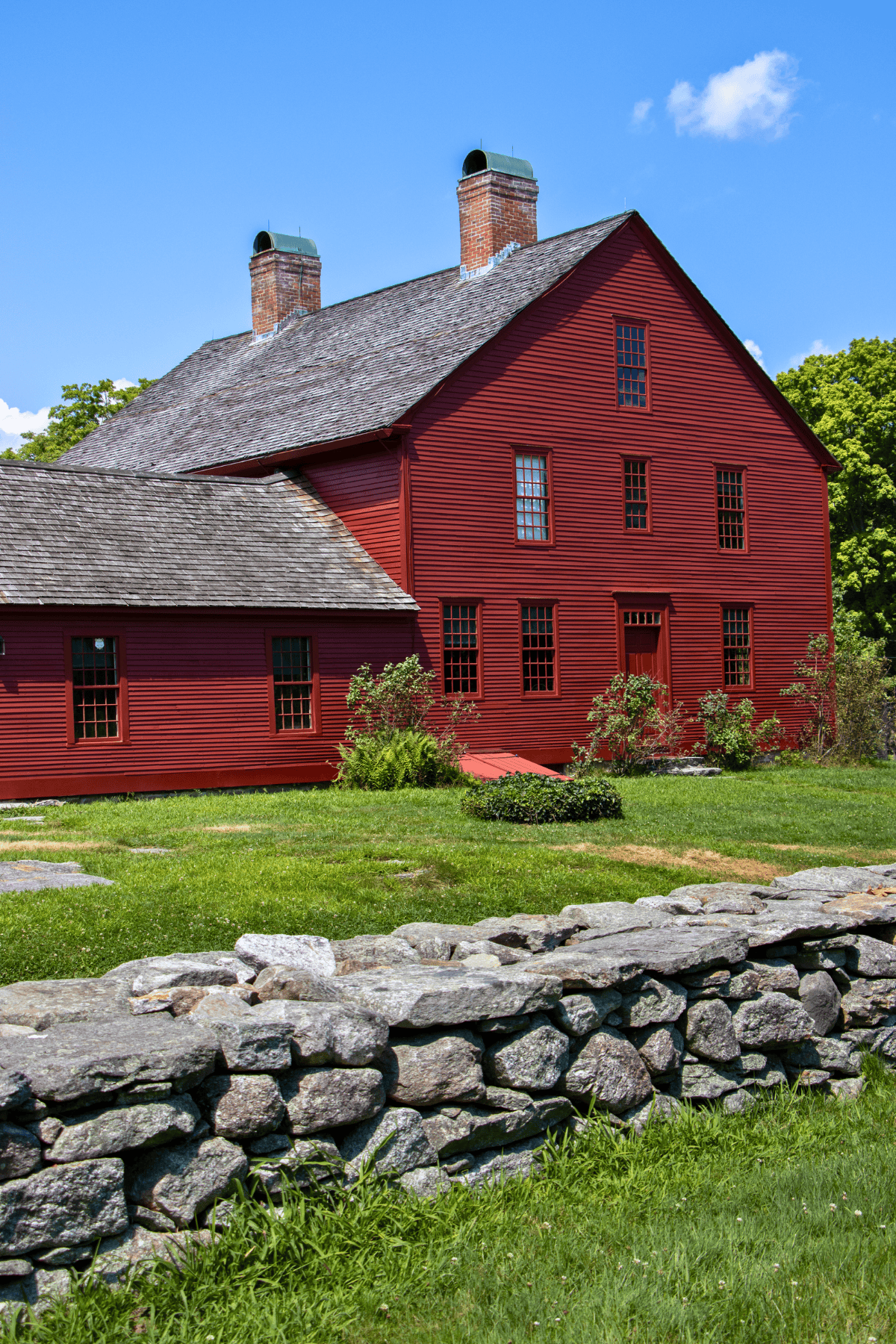
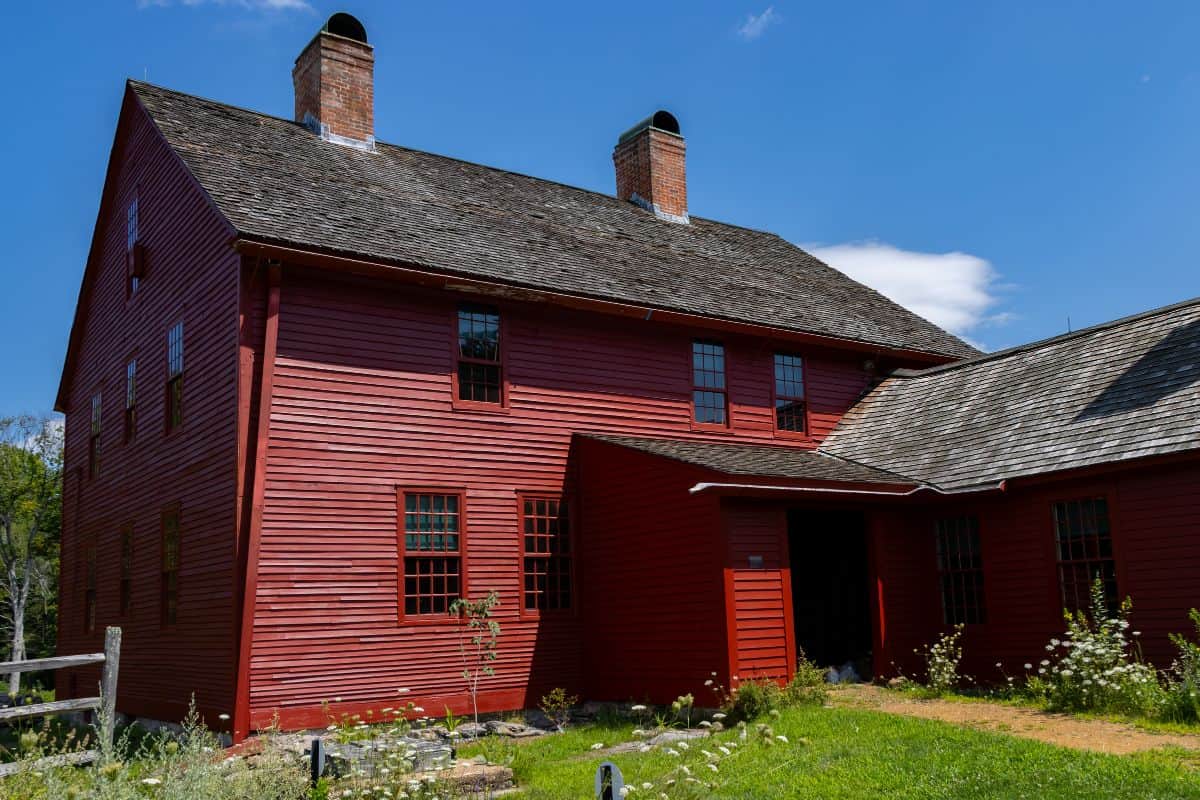
If you’re interested in Revolutionary history and historic homes, the Nathan Hale Homestead in Coventry, CT needs to be on your list. Nathan Hale is Connecticut’s official state hero, and his story has been spread not only throughout the state of Connecticut, but across the nation. This year is a great time to visit to celebrate the 250th anniversary of both the United States and of the house, which was built in 1776.
Want to Save This Post?
Enter your email & I'll send it to your inbox. Plus, you'll get more great travel guides.
By submitting this form, you consent to receive emails from Daily Life Travels
Significance of Nathan Hale
If you don’t already know, Nathan Hale was one of America’s earliest spies. During the war, General George Washington needed intelligence on enemy troop movements. Nathan Hale volunteered to spy behind British lines by disguising himself as a schoolteacher seeking work. He was unfortunately captured and hanged by the British in September of 1776. He was only 21 years old.
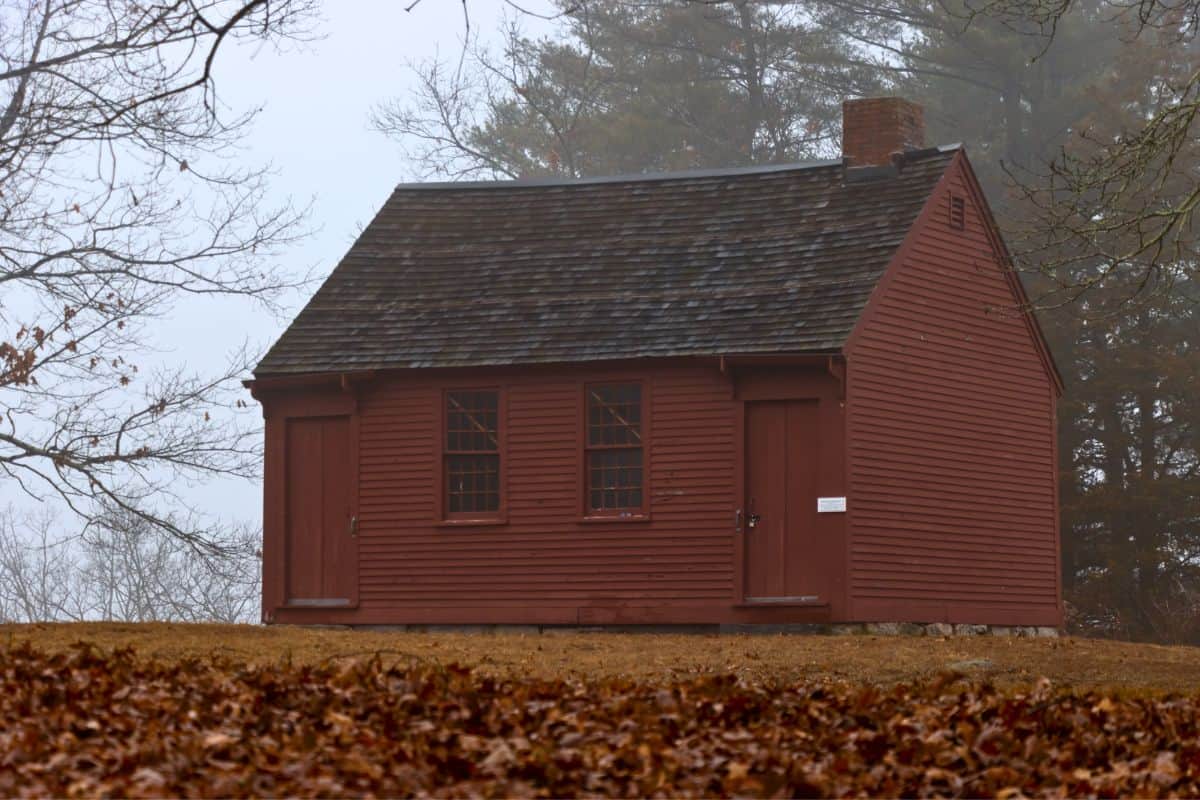
Before his service during the Revolutionary War, Nathan Hale was a schoolteacher, which is likely why he picked that ruse to cross enemy lines. He taught in East Haddam for the winter session between 1773 and 1774. However, he found it boring and soon transferred to teaching in New London, Connecticut, which was a busy whaling port. You can visit both schools, which are both named Nathan Hale Schoolhouse.
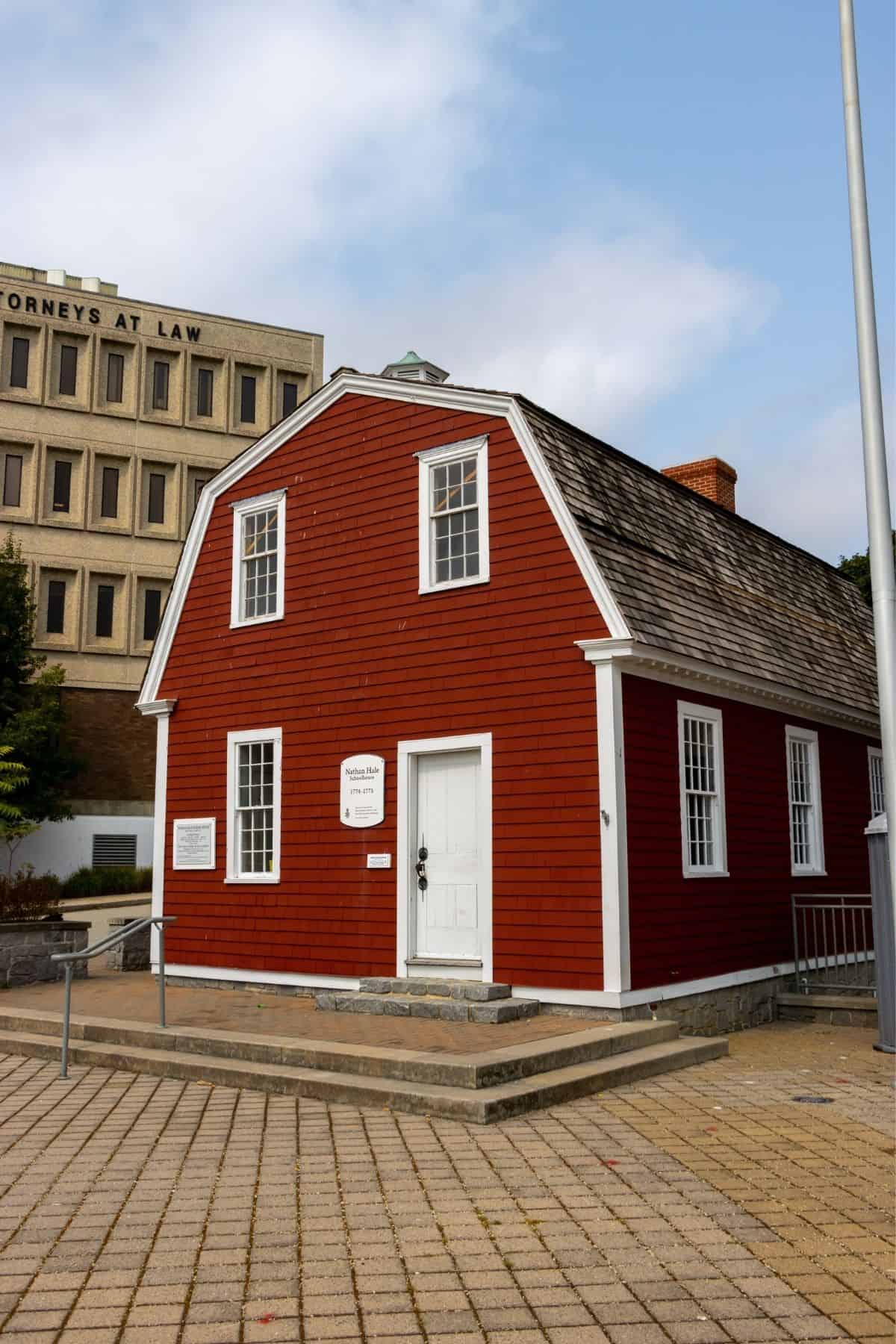
I’ve seen and photographed both schoolhouses, but I haven’t been inside either of them. The hours are very limited because they’re volunteer run. However, don’t let that discourage you from visiting the schoolhouses. They’re still very cool to see in person.
Significance of the Nathan Hale Homestead
I’m going to break this news gently…Nathan Hale never actually lived in the house currently on the property. You’d assume that with a name like Nathan Hale Homestead, he would have lived there. While he didn’t live in the current house, he was born on the property. He grew up there in a smaller house that was located in the same spot. However, he left home to go to Yale University in New Haven at the ripe age of 14 (my jaw dropped when I learned this on the tour).
The Hale family members that did live in the home worked hard to help with the Revolutionary War efforts. During the tour, we learned how his father and siblings helped the patriots throughout the war. Of course, you’ll also learn a lot about Nathan Hale.
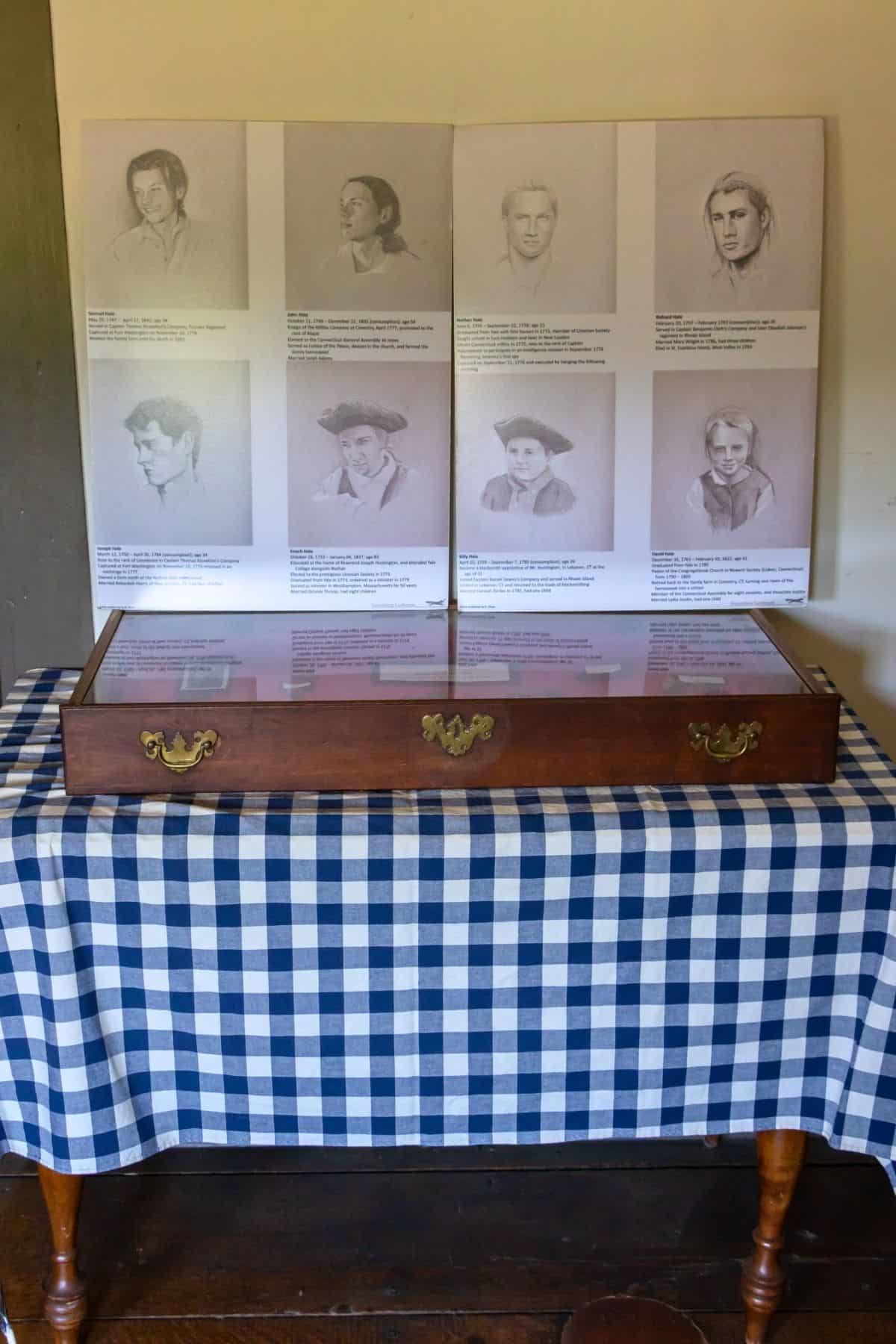
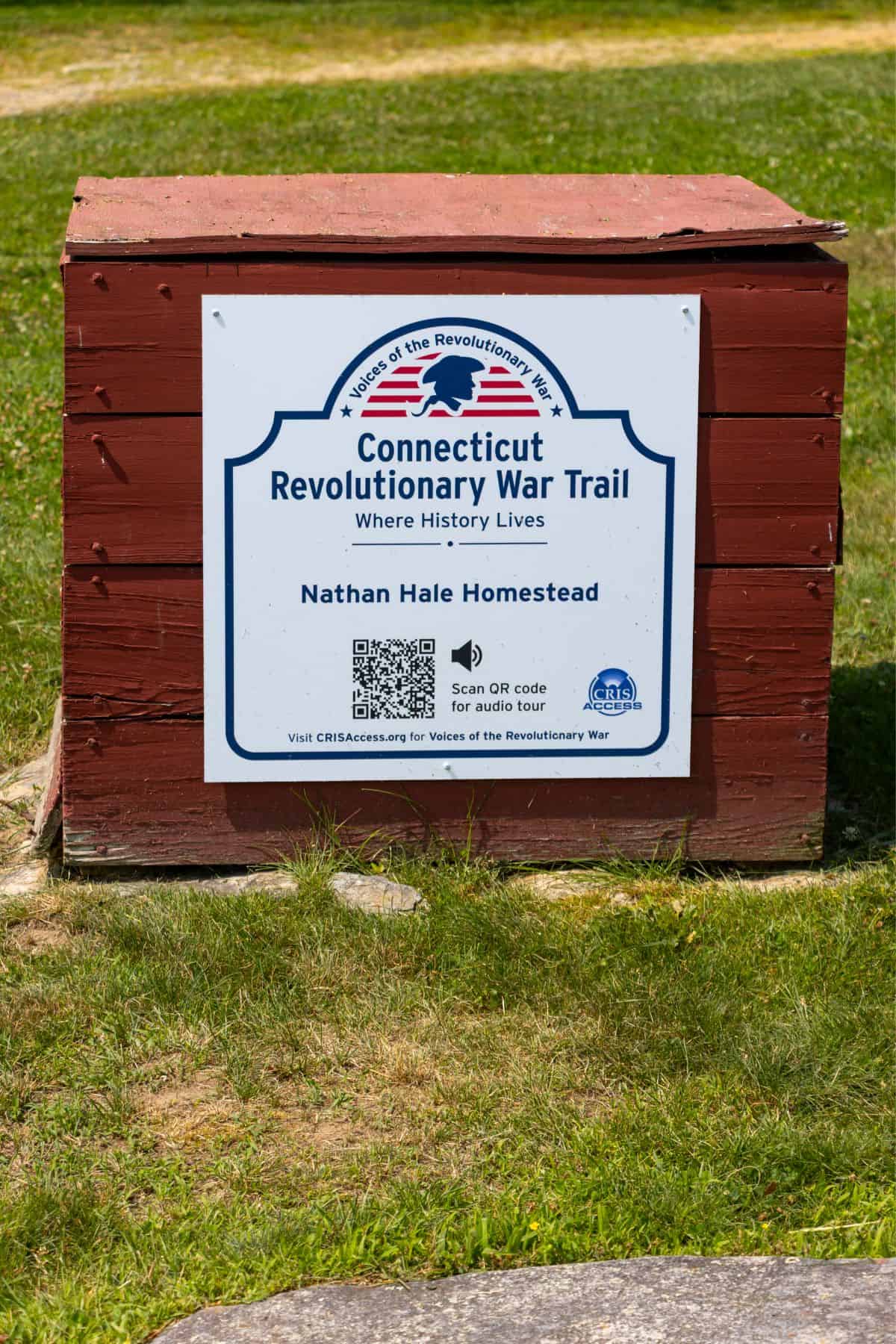
This museum is a stop on the Connecticut Revolutionary War Trail. Outside the house, you’ll find various QR codes you can scan to learn more about the Revolutionary War history tied to the property.
Visiting The House
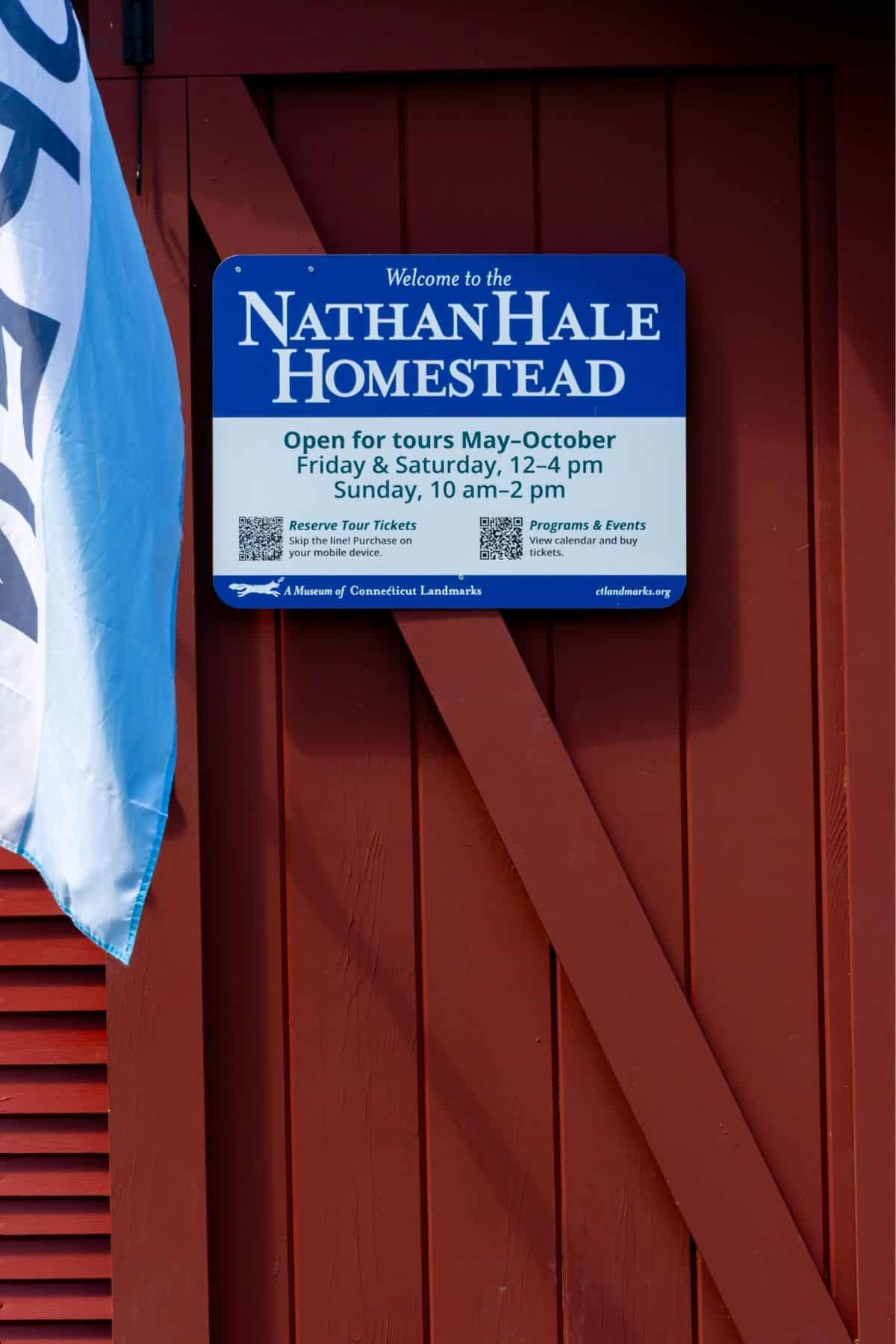
The house is open for tours May through October, Friday through Sunday. If you’re looking to take a tour, you can purchase tickets online ahead of time or purchase a ticket in the Visitor Center when you arrive. I visited on a Friday and bought a ticket at the museum. I got there for the first tour of the day and had no issues getting a ticket.
For the house tour, you’ll walk through the first and second floors of the house. The tour is guided, and you will learn a lot of interesting information. I found the tour to be very engaging and enjoyable. The tour touches upon the Hale family as well as George Dudley Seymour, who bought the house and restored it.
I went into this tour with a lot of knowledge about Nathan Hale, but I learned new things. In addition to the history about Nathan Hale, there are a lot of interesting stories attached to the house and items inside the house.
I really don’t want to spoil all of the good parts of the tour for you because part of what made the visit so enjoyable was the information on the tour. But, below are some photos I took during the tour of the interior.
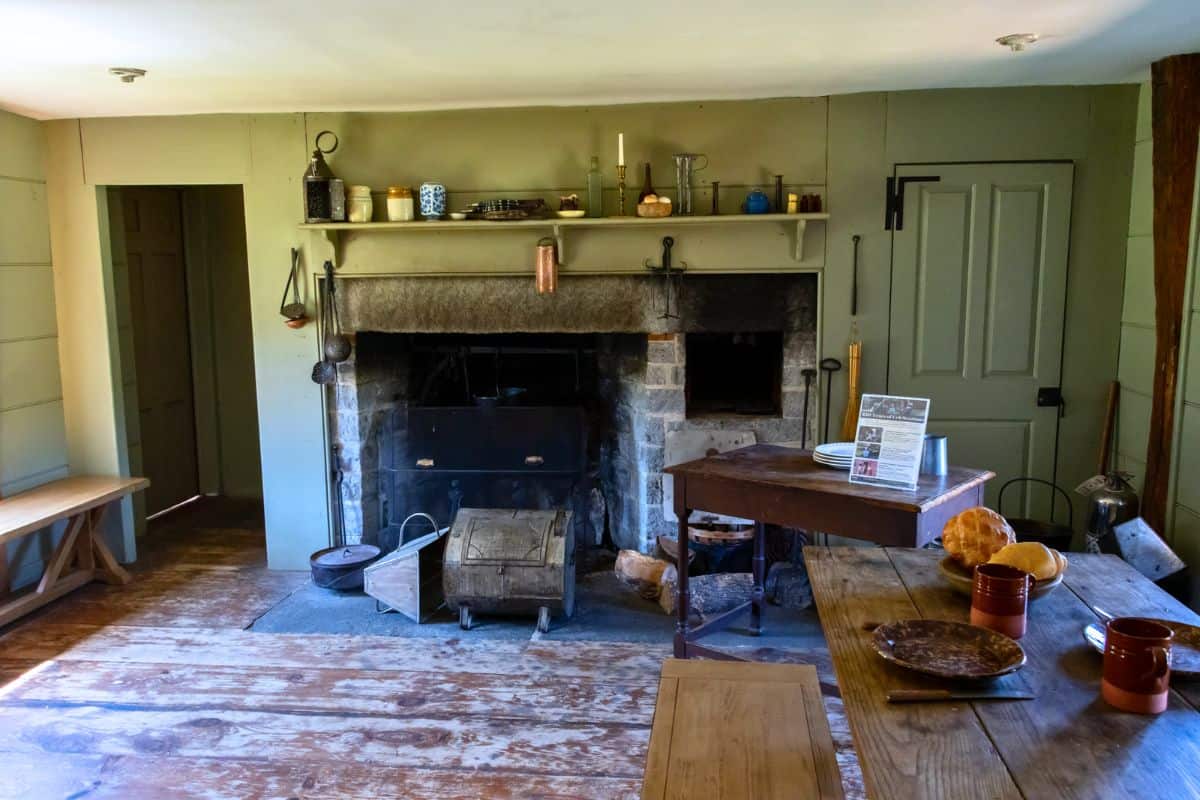
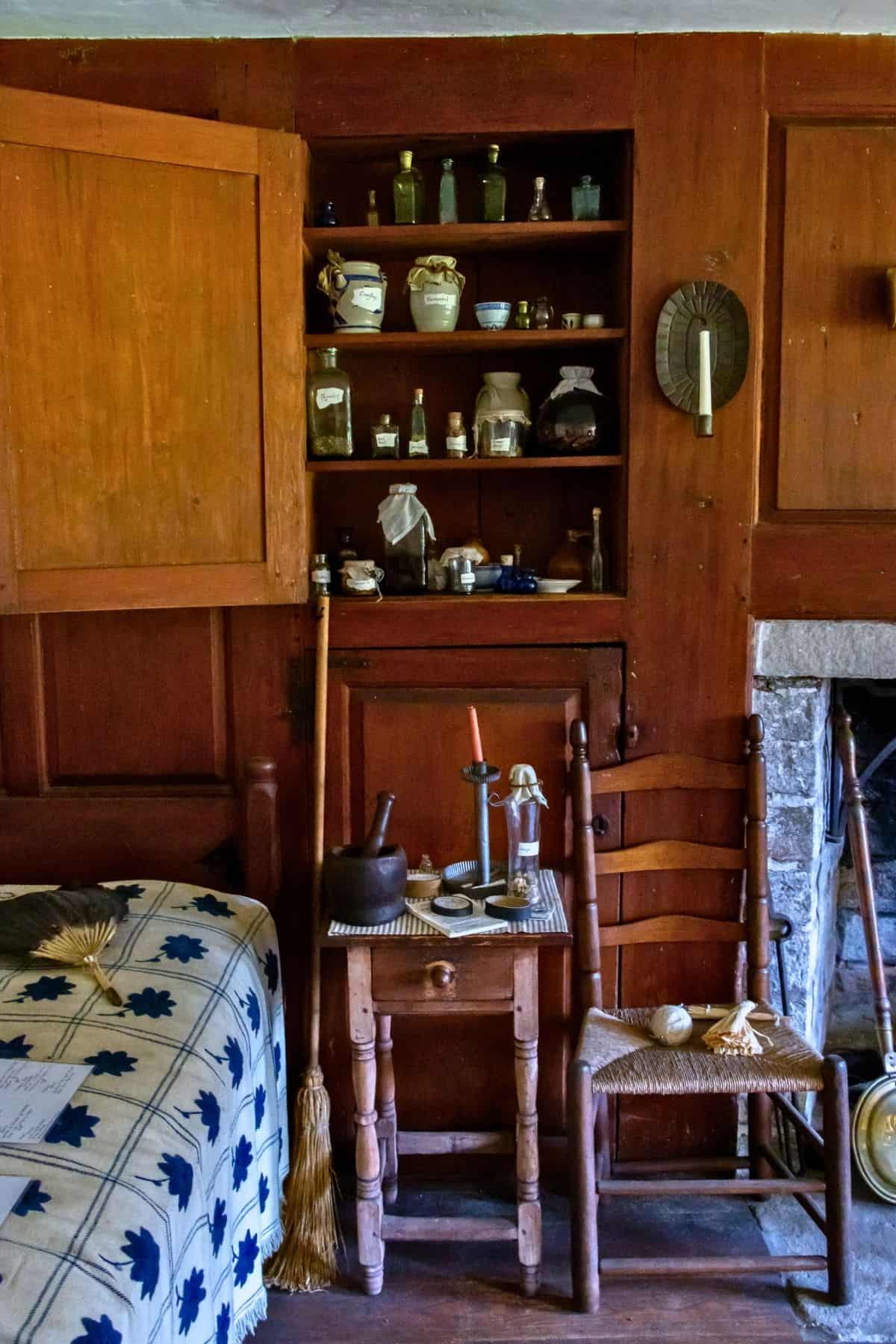
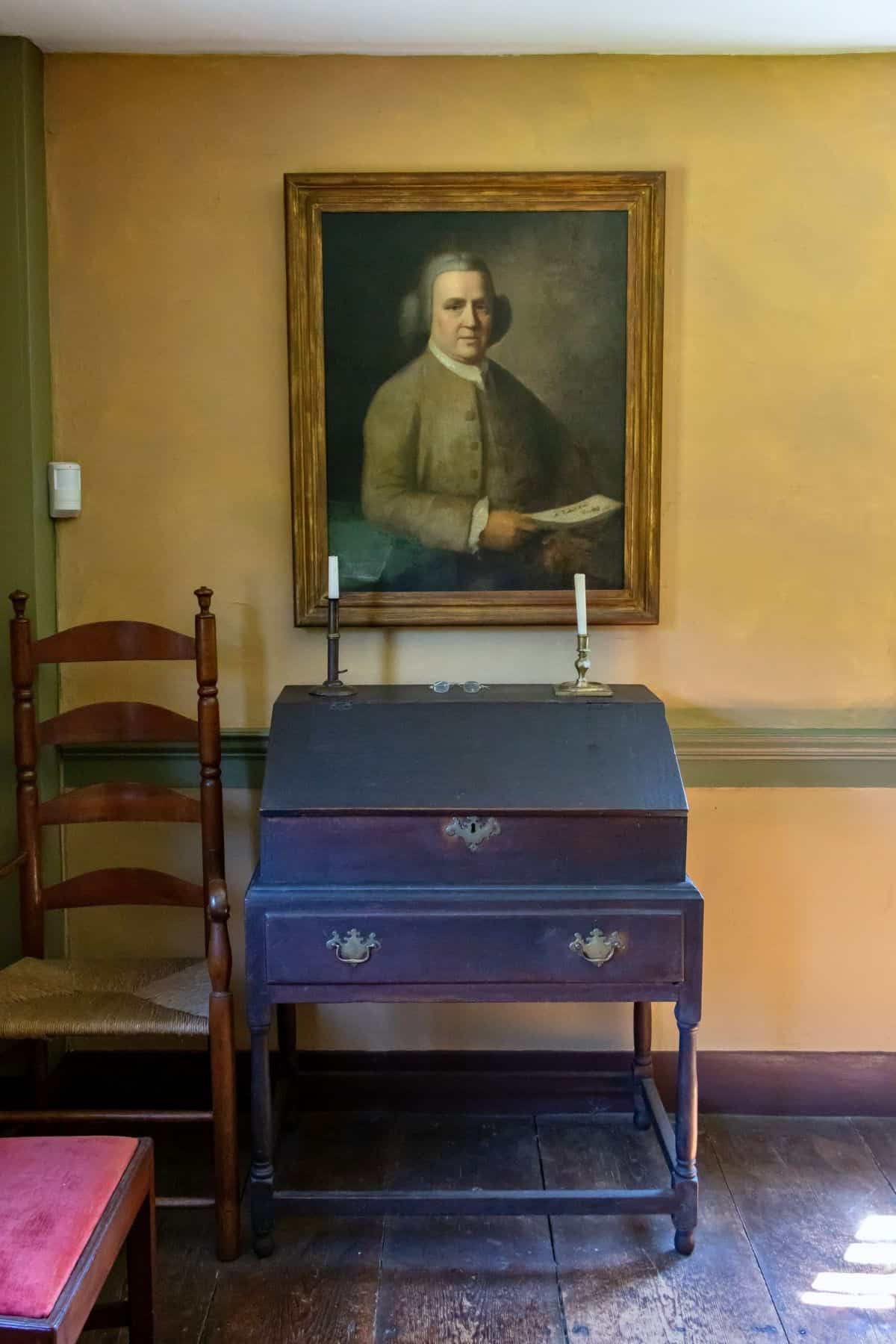
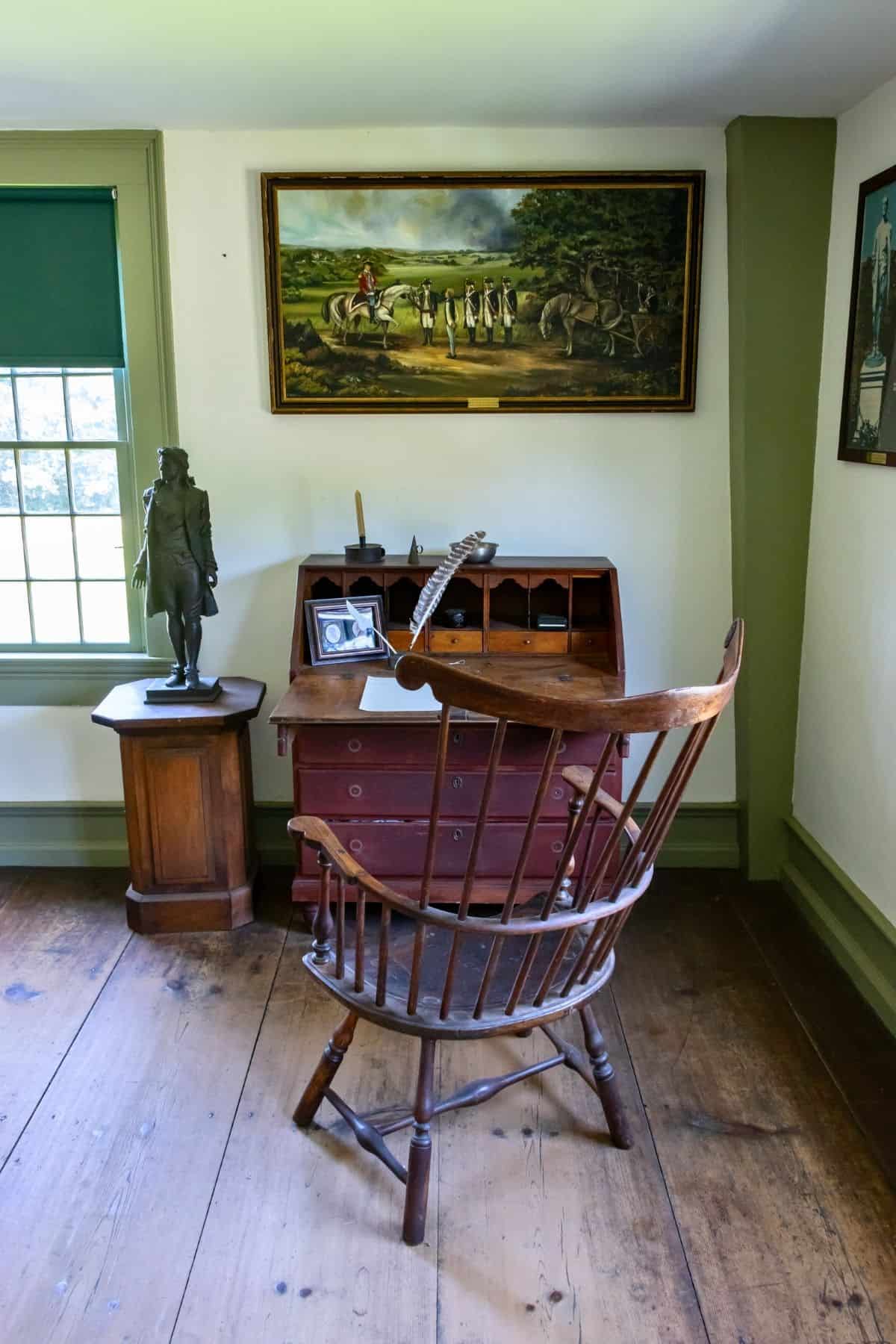
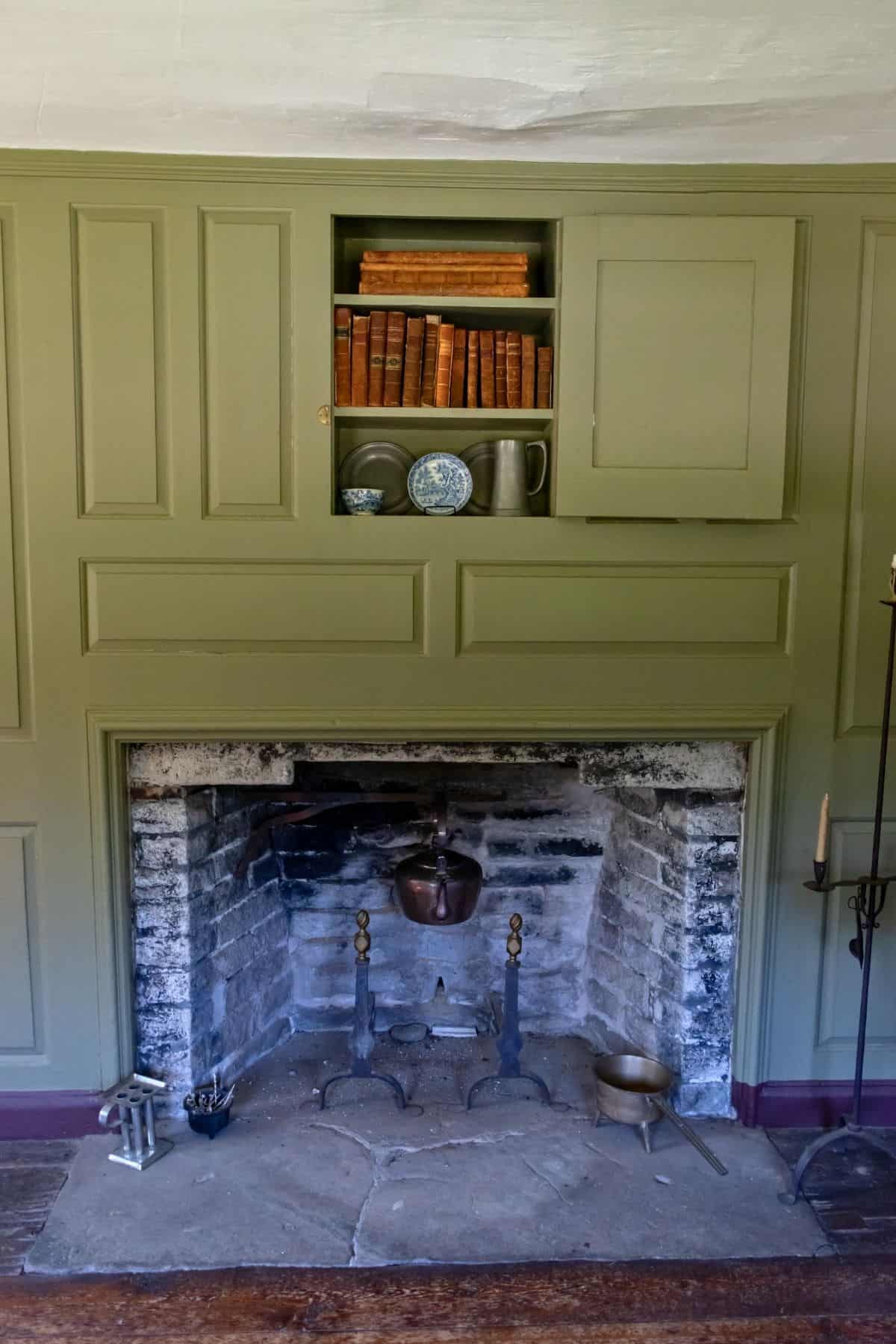
One thing I love about touring historic houses like this is seeing the incredible woodwork throughout the interior. All of the custom built-in details are truly incredible.
Exploring The Grounds
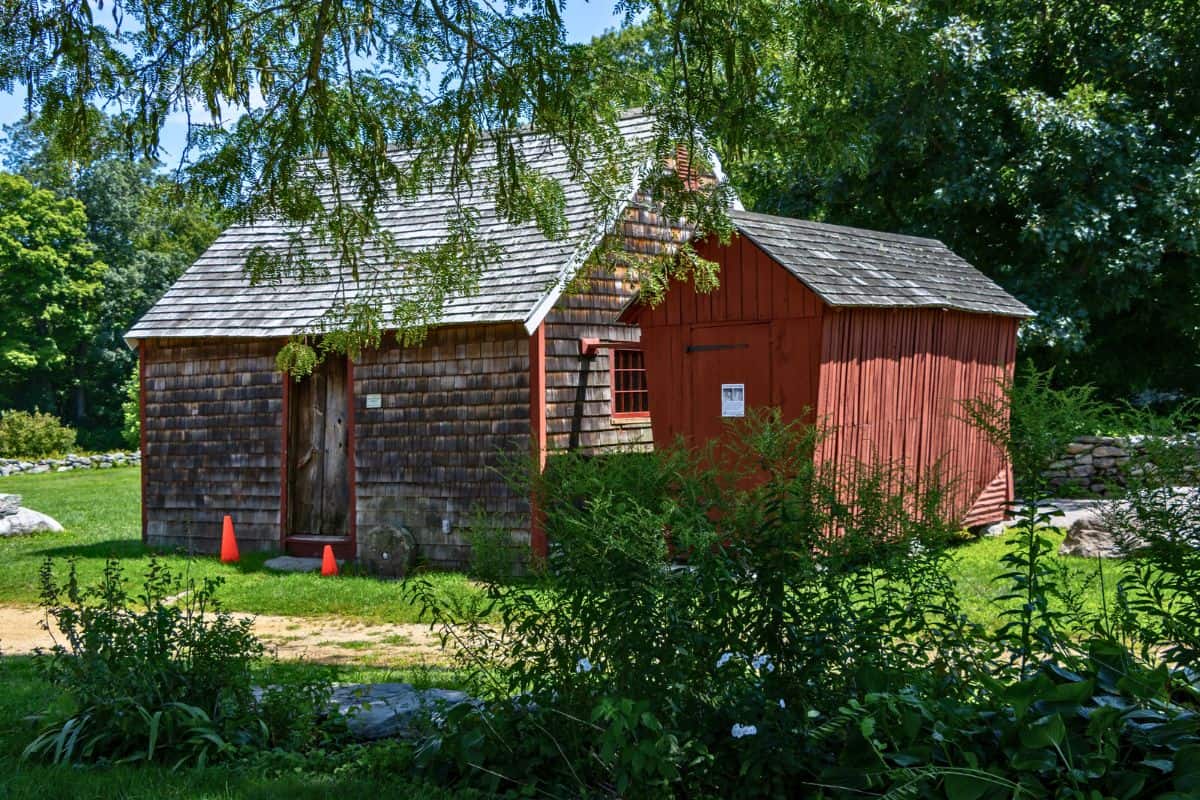
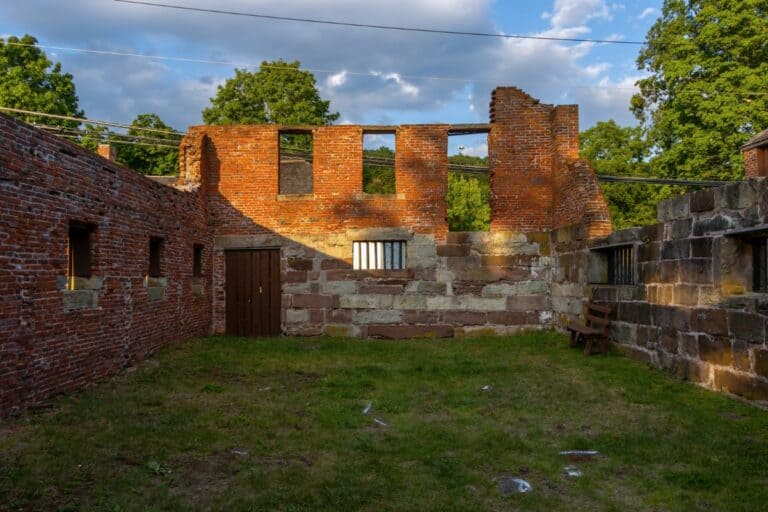
After your tour, I encourage you to explore the grounds. The property has historic barns that the Hale family used, a schoolhouse that was moved to the property, and some other buildings. The buildings weren’t open when I visited, but it’s still worth taking a walk around even if they’re not open.
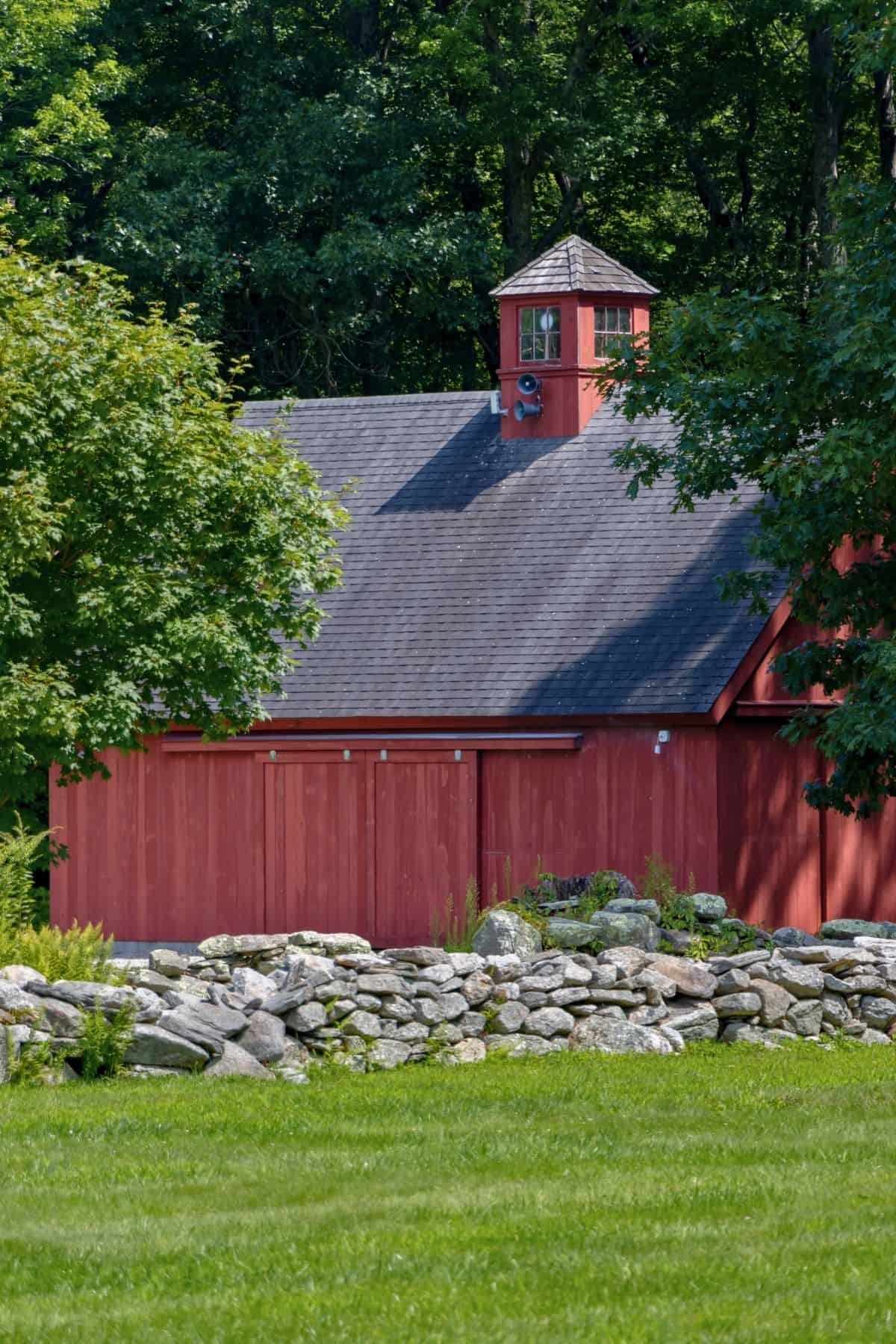
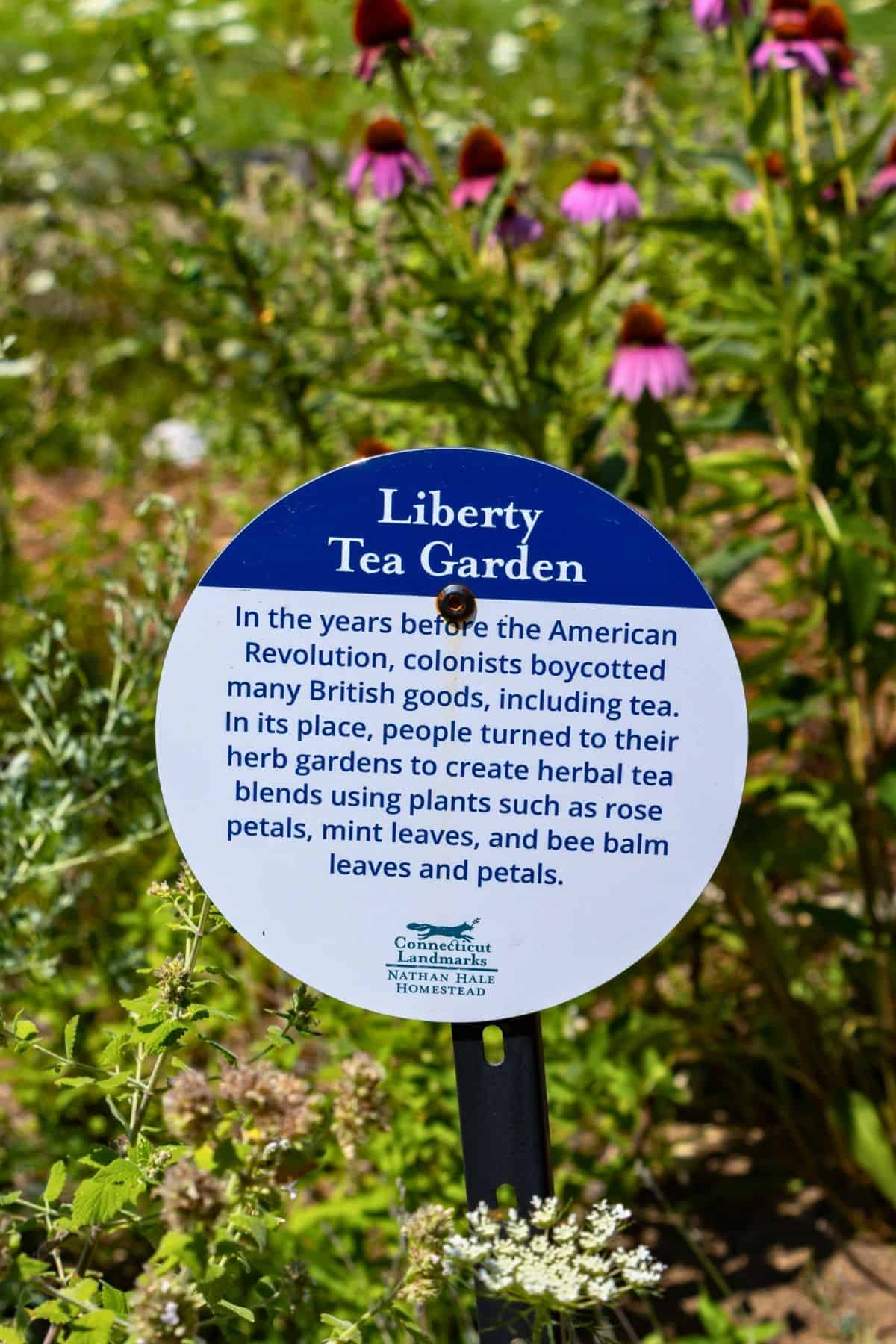
On the back side of the house, there’s also a garden. There are some informational signs about the different sections of the garden and what they’re for. I loved that they had this kind of information in the garden.
If you like hiking, there are various trails that you can explore. I didn’t check any of them out during my visit, but I did confirm their existence with someone who worked at the museum. The trails connect to Nathan Hale State Forest.
Upcoming Events at the Nathan Hale Homestead
The museum hosts a lot of great events throughout the year. Below are some upcoming events that are worth checking out!
- Coventry Farmers Market, every Sunday, May through October. This is the largest farmers market in Connecticut. It has been ranked number one in New England and number two in the nation. During the market, the Homestead offers family-friendly programs including 18th-century games, hearth cooking, cheese-making workshops, and more.
- Hale of a Good Time Letterboxing Event, August 30th. This is a free event where participants will need to use clues to find hidden boxes. The boxes contain stamps that can be collected by printing them into journals. There will also be a stamp-carving demo.
- 250 Years of Celebrations | First Flush: 18th-Century Courtship, September 4th. This is an evening event where you’ll learn about dating and marriage practices in the decades around the American Revolution.
- Hale Family Reunion, September 19th. This is an event for people who can trace their ancestry to the Coventry Hales and those interested in Hale family genealogy. During the event, you can learn about the different branches of the Hale tree, connect with descendants, and tour the home that Richard Hale and Elizabeth Strong Hale built for their family.





What a fascinating place to visit, especially during the 250th anniversary year! I had no idea Nathan Hale was only 21 when he died or that he entered Yale at just 14. It’s also interesting that the current house was built after he had already left home. The guided tour sounds well worth taking for anyone interested in Revolutionary War history.
Nathan Hale is definitely a fascinating person to learn about! And the guided tour of this house is definitely a must-do for anyone interested in the American Revolutionary War.
I don’t know a lot about Revolutionary history. So a stop at Nathan Hale Homestead in CT would certainly teach me a lot. It would be fascinating to learn more about this spy. And this house too!
It’s definitely a really interesting story!
I’ve never visited this part of the USA, so the Nathan Hale Homestead was completely new to me. I found the history interesting, particularly learning more about Hale’s early life and his connection to this home before his later involvement in the American Revolution.
The story of Nathan Hale is definitely interesting. It’s a great historic site to visit to dive into all of the details of Nathan Hale and the homestead.
Love all the pics! This article really makes me miss visiting The States, guess it’s time to plan a trip back and hopefully make it to the Nathan Hale Homestead this time around! Thanks for sharing:)
Thank you!! I’m glad you enjoyed the photos and the post!
It’s interesting to learn more about Nathan Hale and see how his story is preserved through the homestead. It looks like a great stop for anyone interested in American history and historic places.
This is definitely a great spot for anyone interested in American history and historic sites!