
The Connecticut Revolutionary War Trail

This content may contain affiliate links. For more information, see our disclaimer.

This post is a paid partnership with the Connecticut Office of Tourism. All opinions expressed are my own.
Connecticut is steeped in Revolutionary War history. In fact, Connecticut and its people played major roles during the American Revolution. This year, the U.S. commemorates and celebrates the 250th anniversary of the signing of the Declaration of Independence. The new Connecticut Revolutionary War Trail is a great way to honor the contributions from Connecticut and its people.
Learn more about the Connecticut Revolutionary War Trail and other historic trails on the Connecticut Tourism Office’s website: Trails To Take You Around Connecticut For America’s 250th
I used the interactive map on the Connecticut Veterans Foundation website to plan the stops I visited. There are a lot of stops along the trail, and I didn’t get to all of them (yet). Below are the ones I’ve visited so far!
Putnam Memorial State Park
Want to Save This Post?
Enter your email & I'll send it to your inbox. Plus, you'll get more great travel guides.
By submitting this form, you consent to receive emails from Daily Life Travels
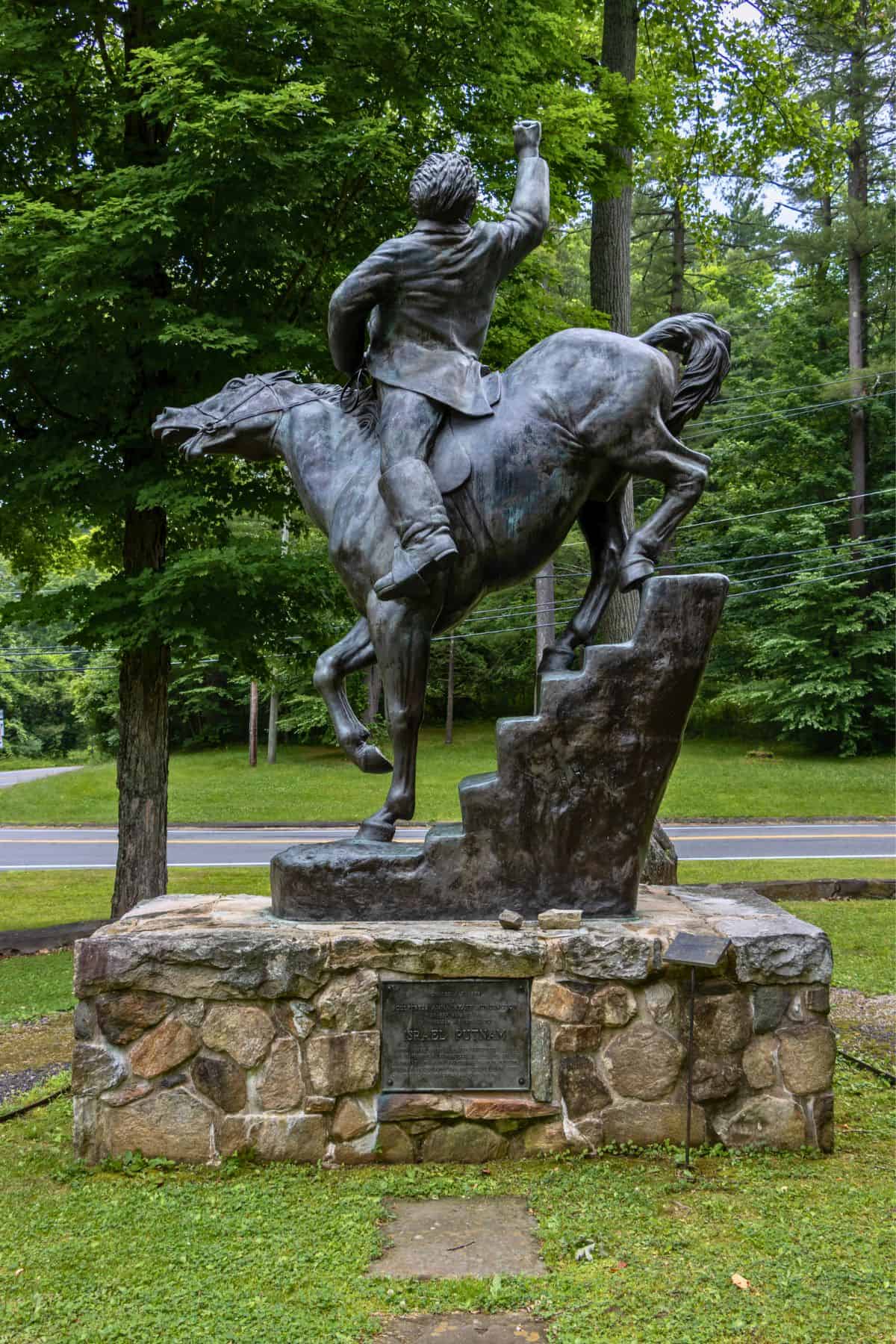
If you’re interested in Revolutionary War history, this state park in Redding, Connecticut needs to be on your list. The park commemorates the Revolutionary War winter encampment that was set on the site in 1778-1779. The encampment was settled by the Continental Army under the command of General Israel Putnam. There’s plenty to see in this park, including remnants of the encampment that once sat here.
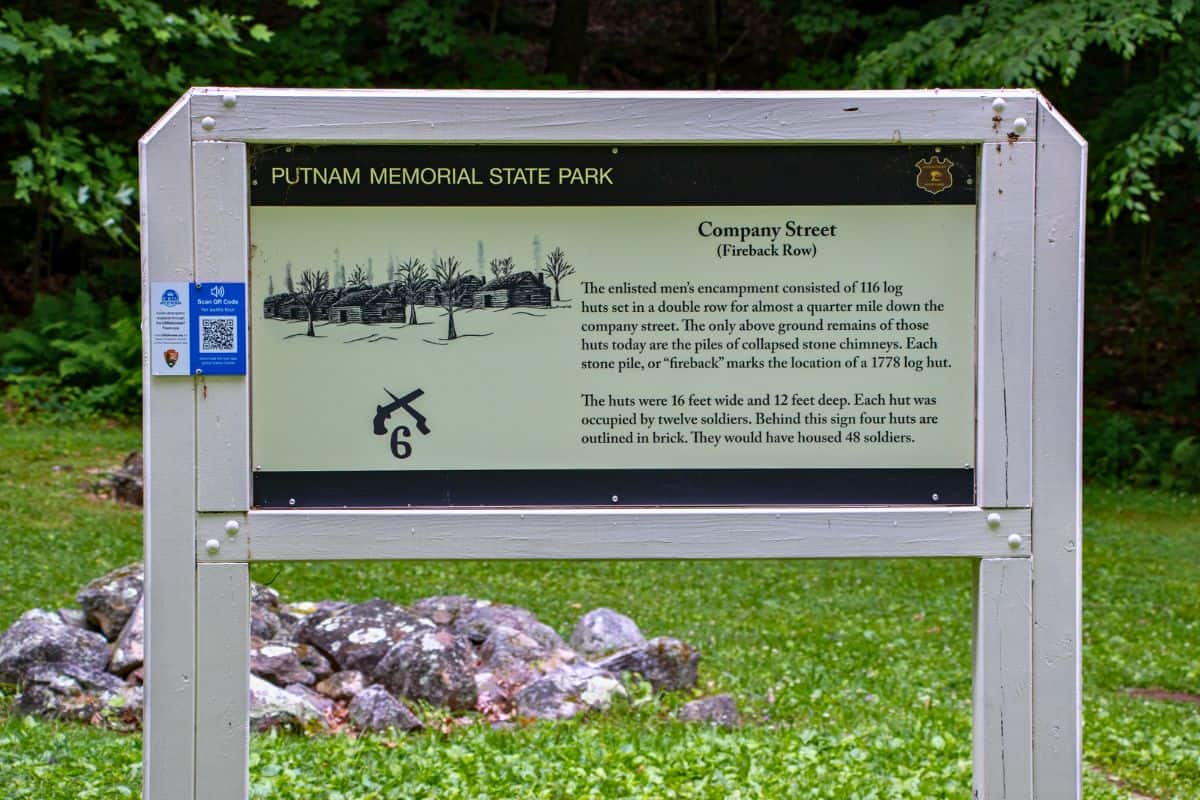
Learn more about visiting and the history: Dive Into Revolutionary War History at Putnam Memorial State Park
Lebanon, Connecticut
Lebanon, Connecticut has pretty significant ties to the Revolutionary War. The town actually has six Revolutionary War sites surrounding the large town green. There are QR codes around the town to scan that will provide a guided audio tour you can listen to on your phone.
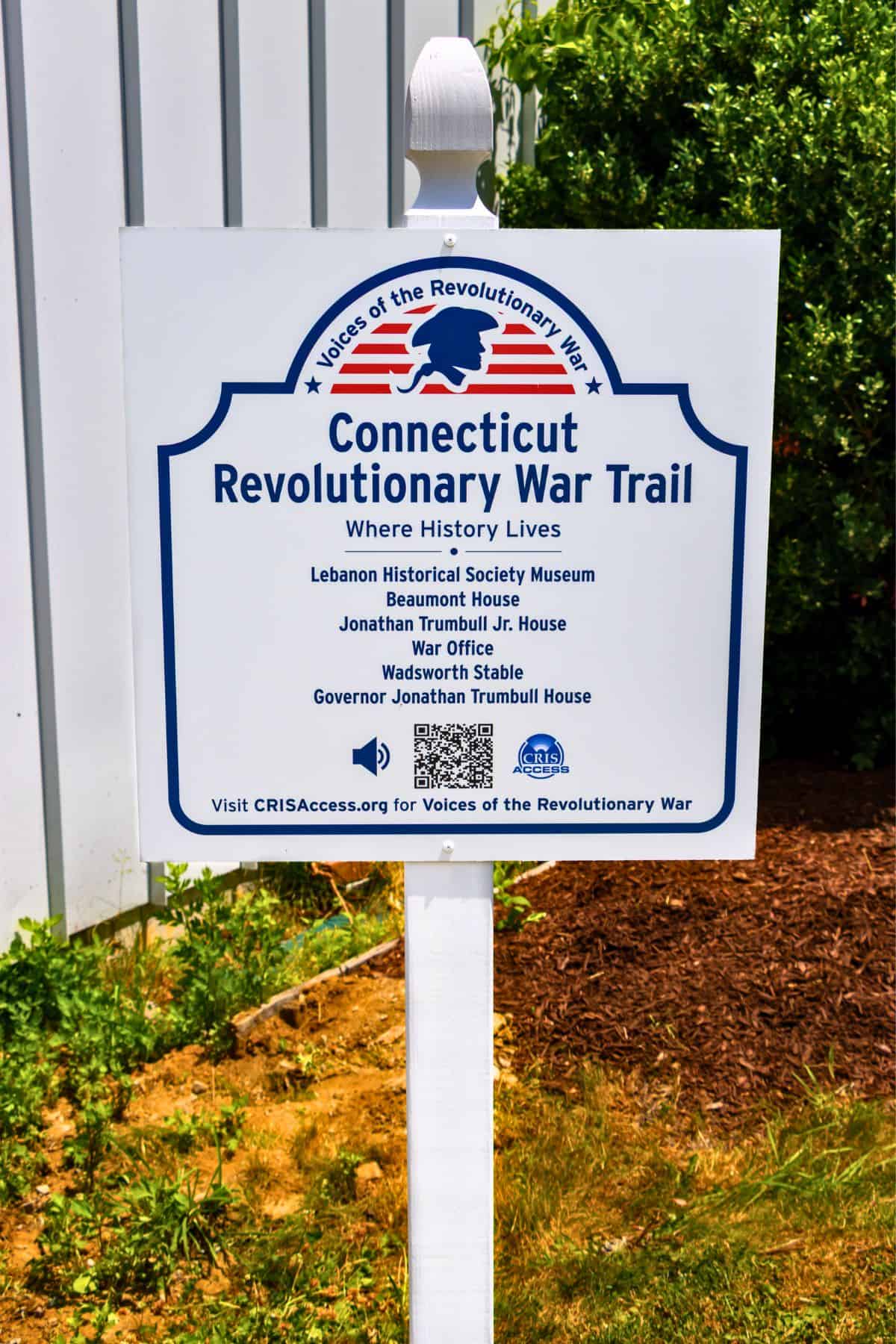
Lebanon Historical Society Museum
Start your visit at the Lebanon Historical Society Museum. Inside the museum, there’s an engaging hands-on exhibit for kids that is great for exploring Revolutionary War History. They will have a chance to dress up and pretend they were in the encampment that was in Lebanon.
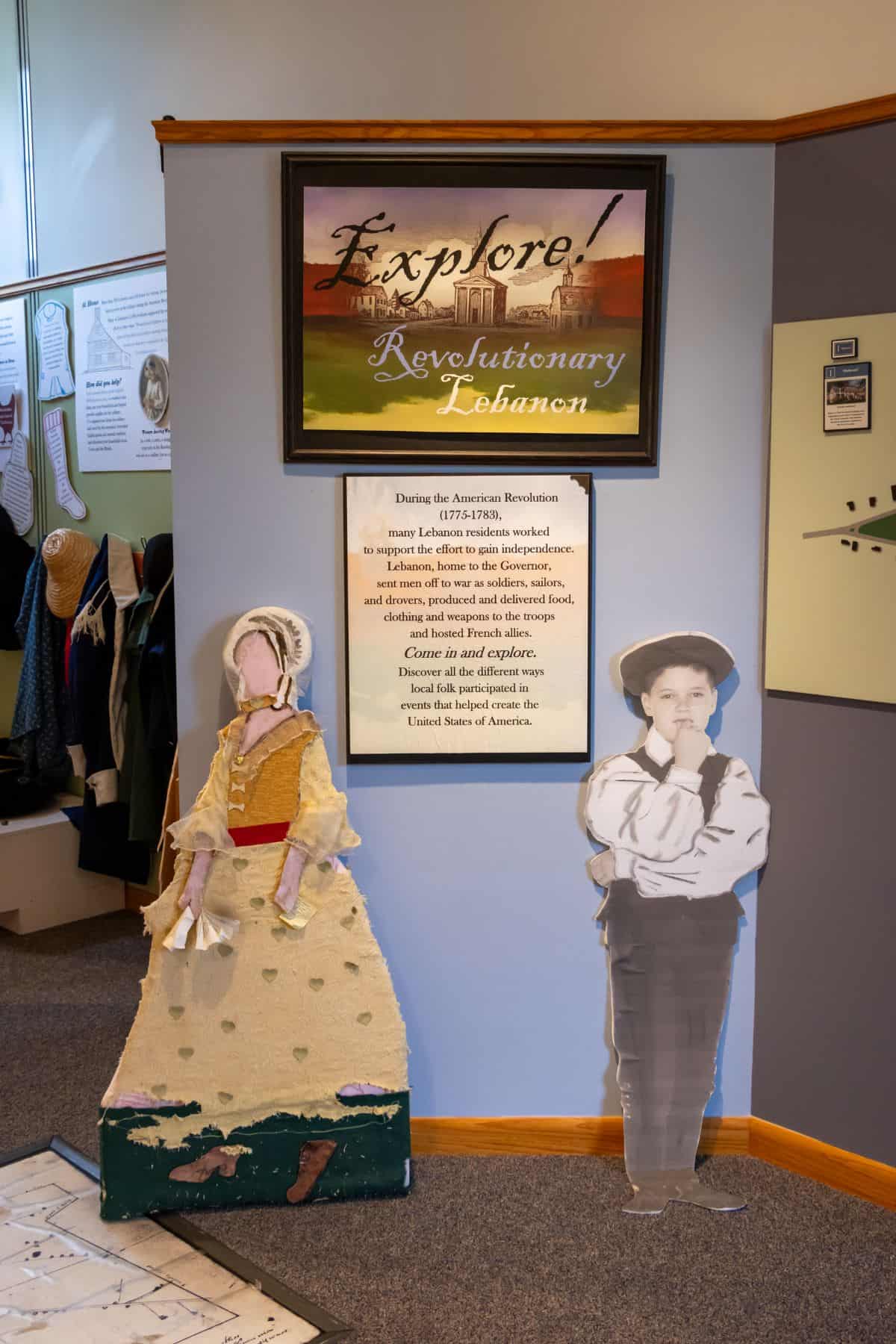
There’s another room that is better suited for adults that covers America 250. There are a lot of cool items on display, but I think my favorites were the Bicentennial Quilt and the Revolution era garments that were designed for the American Bicentennial.


Also on the property of the Lebanon Historical Society Museum is the Beaumont House, which was built in 1790. The house was the home of Samuel Beaumont, who was a Revolutionary War veteran and cooper.
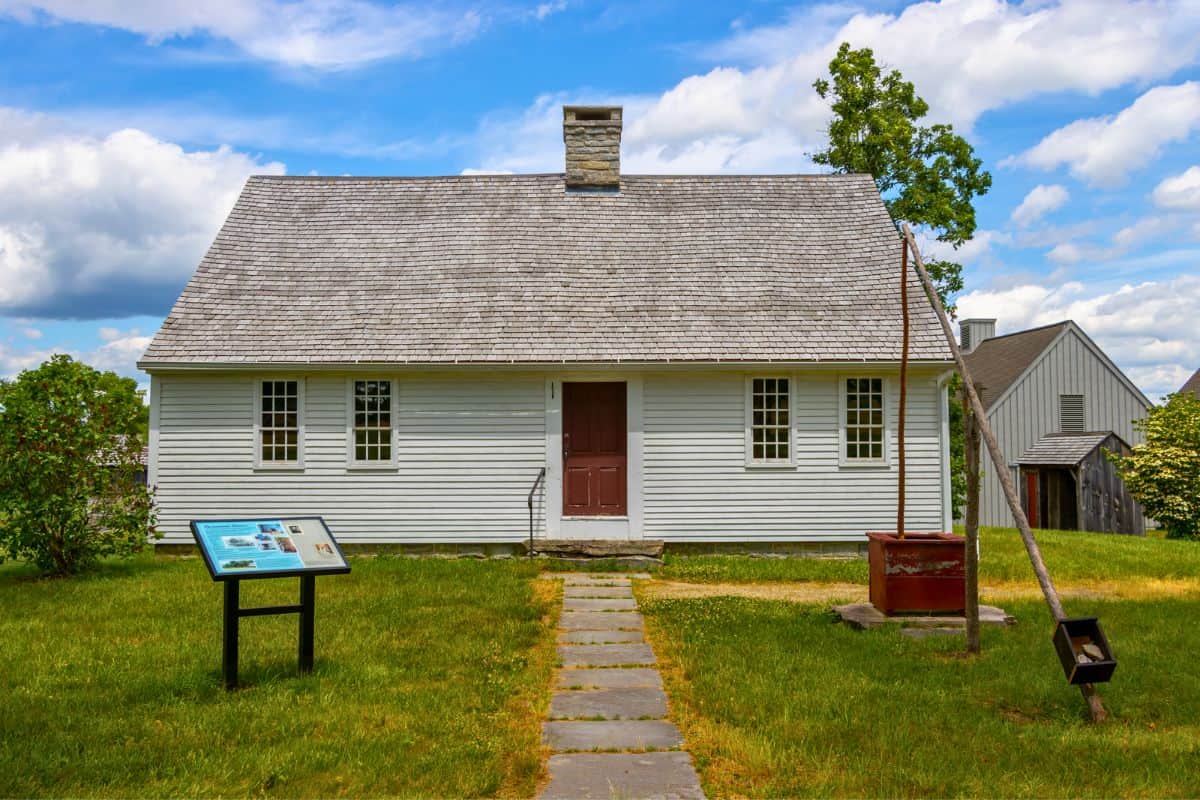
Governor Jonathan Trumbull House and Wadsworth Stable
This house was the home of Governor Jonathan Trumbull, who was the only colonial governor to actively support the American Revolution. He was given the nickname “Brother Jonathan” by General George Washington for those efforts.
The house is cared for by the Connecticut Daughters of the American Revolution. I’ve toured it in the past, and it’s definitely worth touring if it’s open. Hours are limited though, as it’s only open once a month seasonally. You can find the hours on the museum’s website.
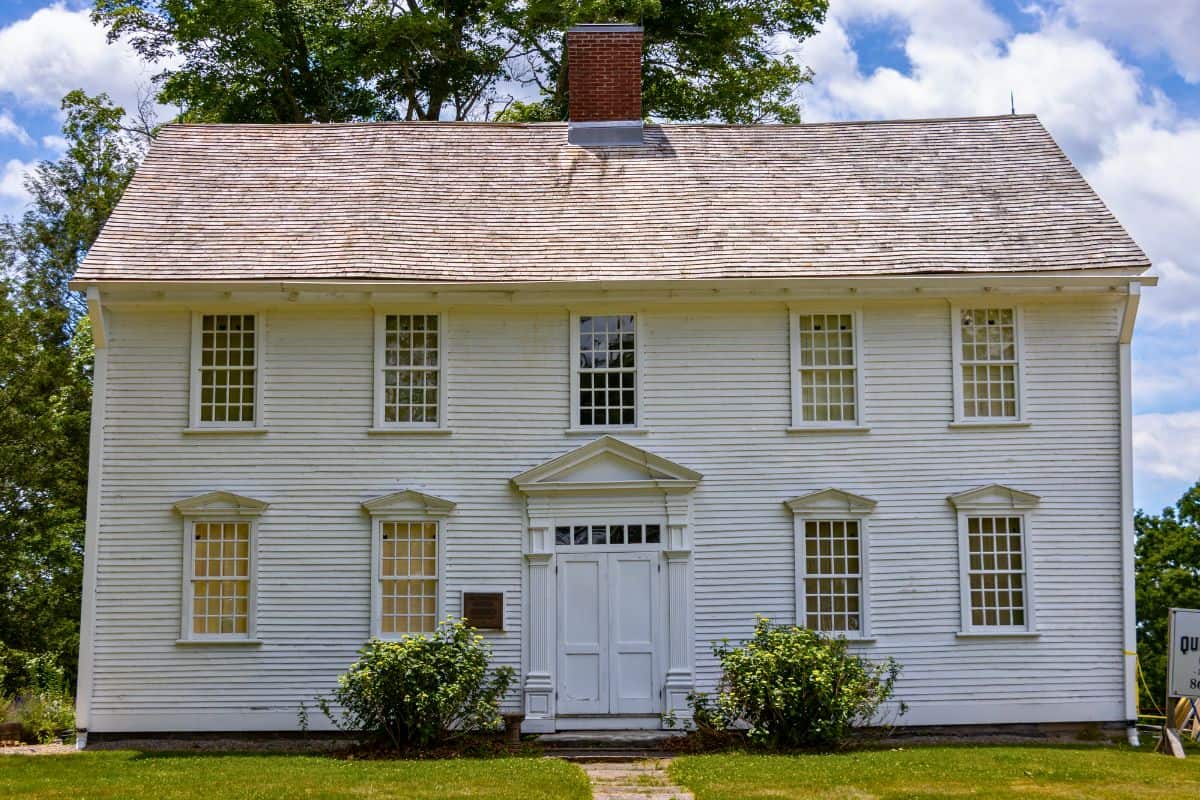
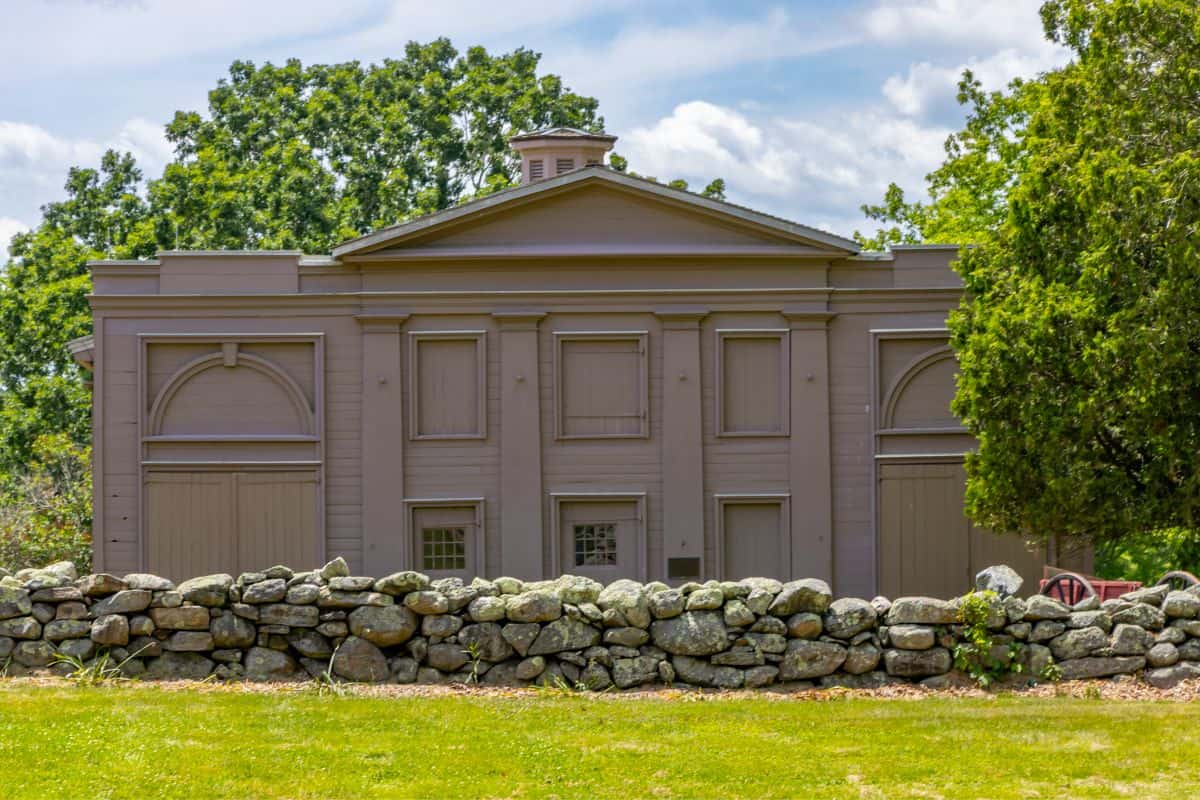
The Wadsworth Stable is located right next door to this house, but it wasn’t always there. The stable was originally located in downtown Hartford on the estate of Colonel Jeremiah Wadsworth, who was appointed to organize, distribute, and supply troops for the Revolutionary War. The stable housed the horses of many important dignitaries, including General George Washington.
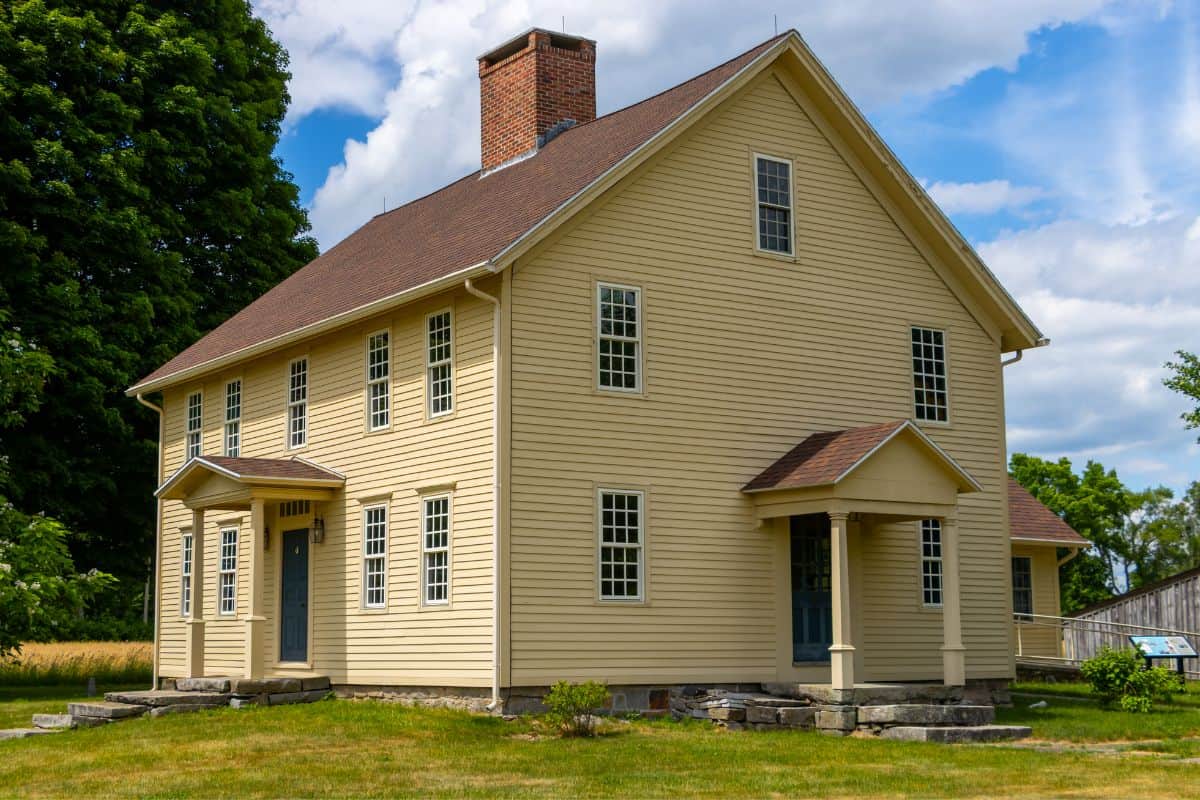
Jonathan Trumbull Jr. House
Jonathan Trumbull Jr. was one of the four sons of Revolutionary War Governor Jonathan Trumbull Sr. During the Revolutionary War, Jonathan Trumbull Jr. served as Paymaster General for the northern department of the Continental Army, the first Comptroller of the U.S. Treasury, and military secretary to General George Washington from 1781 to 1783.
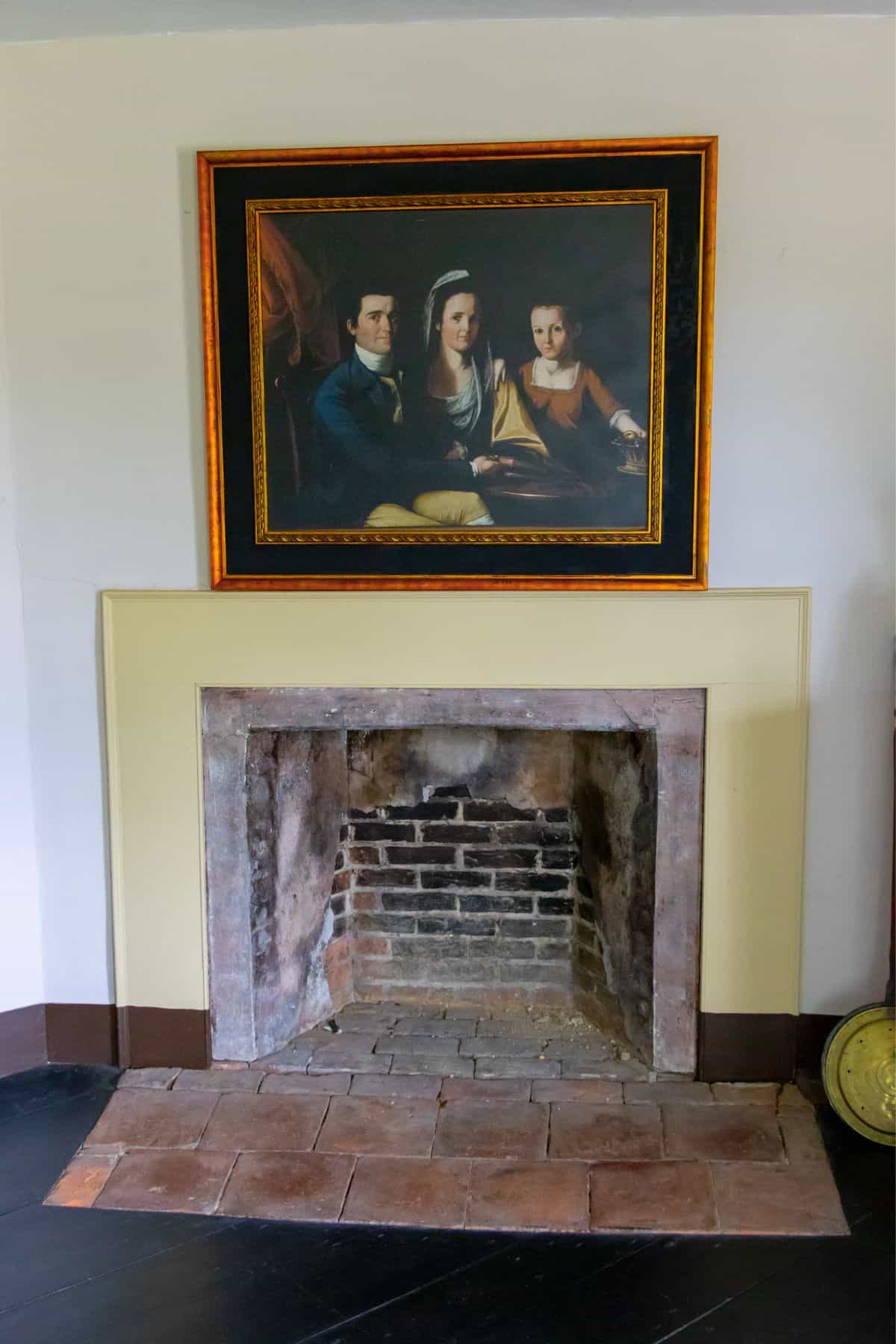
You can take a guided tour the house to learn about Jonathan Trumbull Jr. and his family as well as details about the actual house itself. The museum is completely free to visit.
The War Office
The War Office was the headquarters where the defense of the colony of Connecticut was planned. In the office, Governor Jonathan Trumbull convened the Council of Safety to deal with day-to-day emergencies.
This building has been referred to as “Connecticut’s Pentagon” during the American Revolution. Various military leaders met with Governor Jonathan Trumbull in this building including George Washington, Israel Putnam, Marquis de Lafayette, and Count Rochambeau.
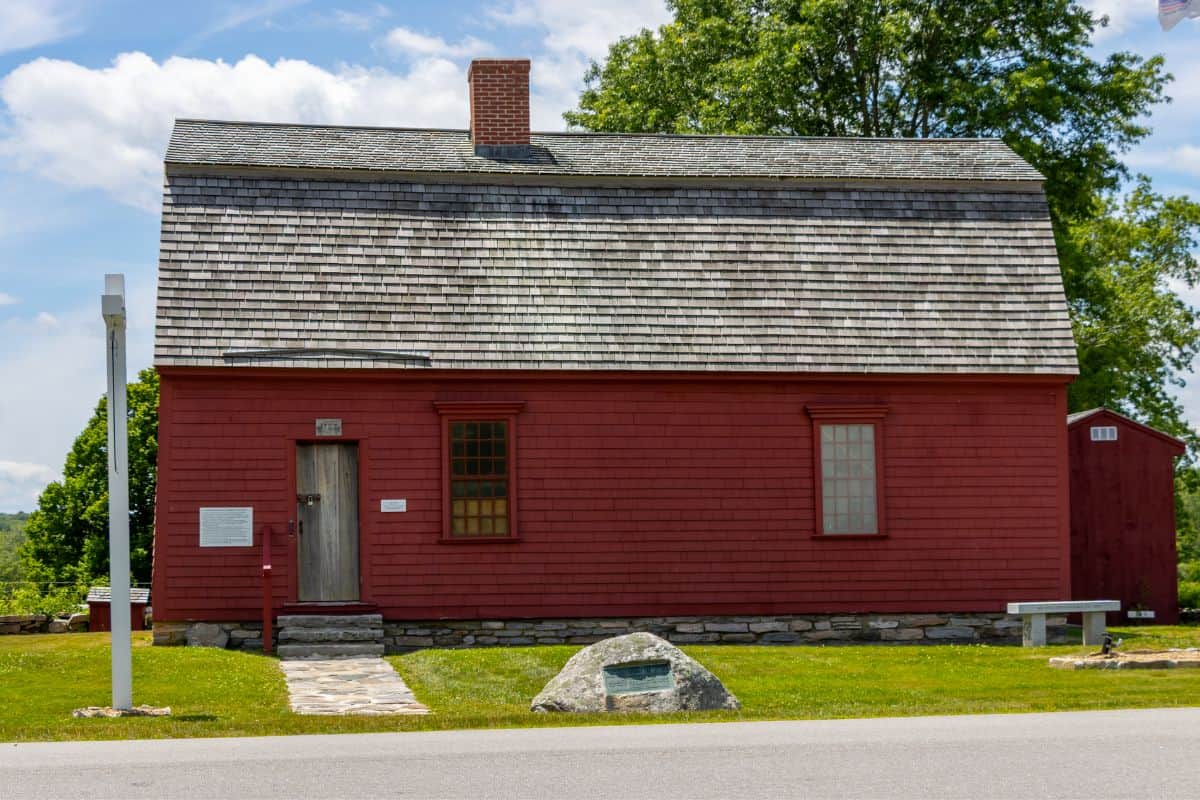
Today, the building is owned and maintained by the Connecticut Society of the Sons of the American Revolution. The museum is open June to September on Saturdays and Sundays.
Ridgefield, Connecticut
You might be asking, “Why Ridgefield?” The significance is due to the Battle of Ridgefield, which took place between April 25 and April 28 in 1777.
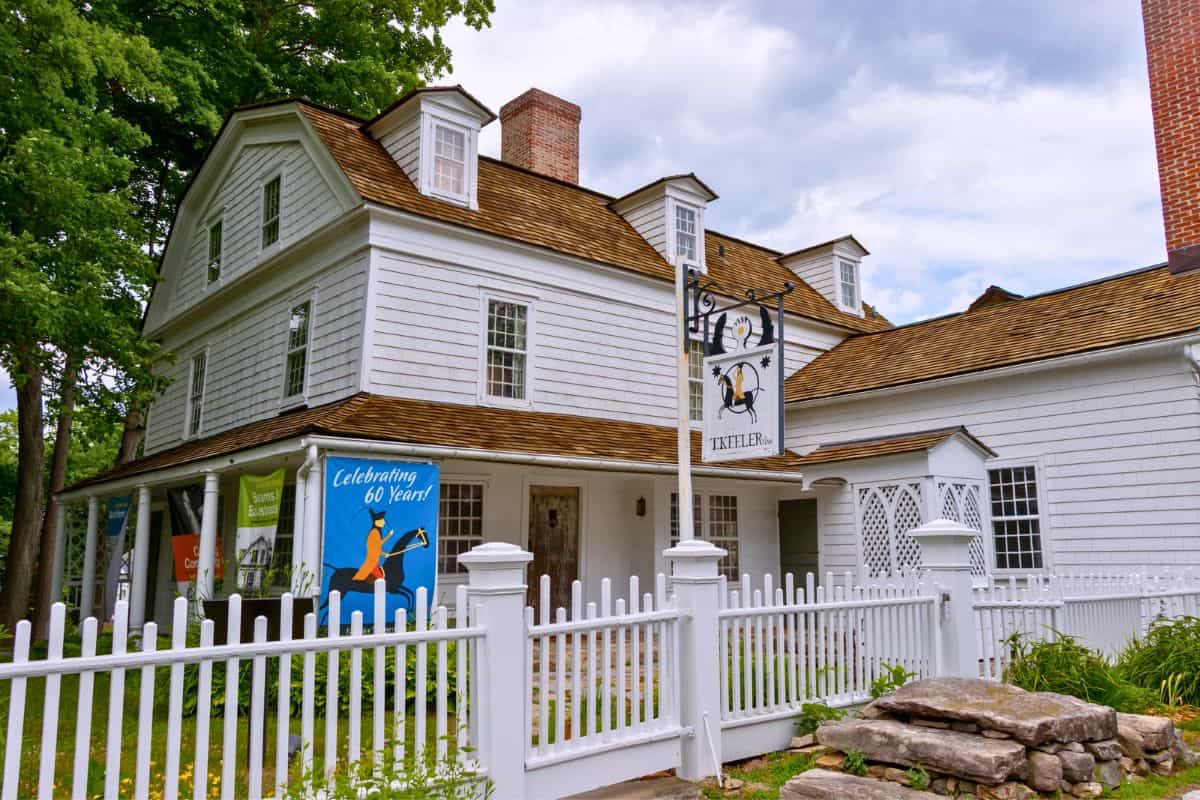
If you’re looking for a place to dive into some of this history, stop into the Keeler Tavern Museum & History Center. This year, they’re offering the “War at Home” museum tour that discusses the American Revolution coming to the Keeler Tavern. The Tavern was targeted by British forces on April 27, 1777. It was hit with a cannonball that is stilled embedded in the building to this day.
Webb Deane Stevens Museum
One of the big selling points of this museum is the fact that George Washington himself stayed at the Joseph Webb House. And, you can go into the very room he stayed in. I remember the first time I visited Old Wethersfield and I learned this. I thought it was the coolest thing ever. However, as I’ve dived into Connecticut’s history over the years, I’ve since learned that George Washington has been to A LOT of places around the state.
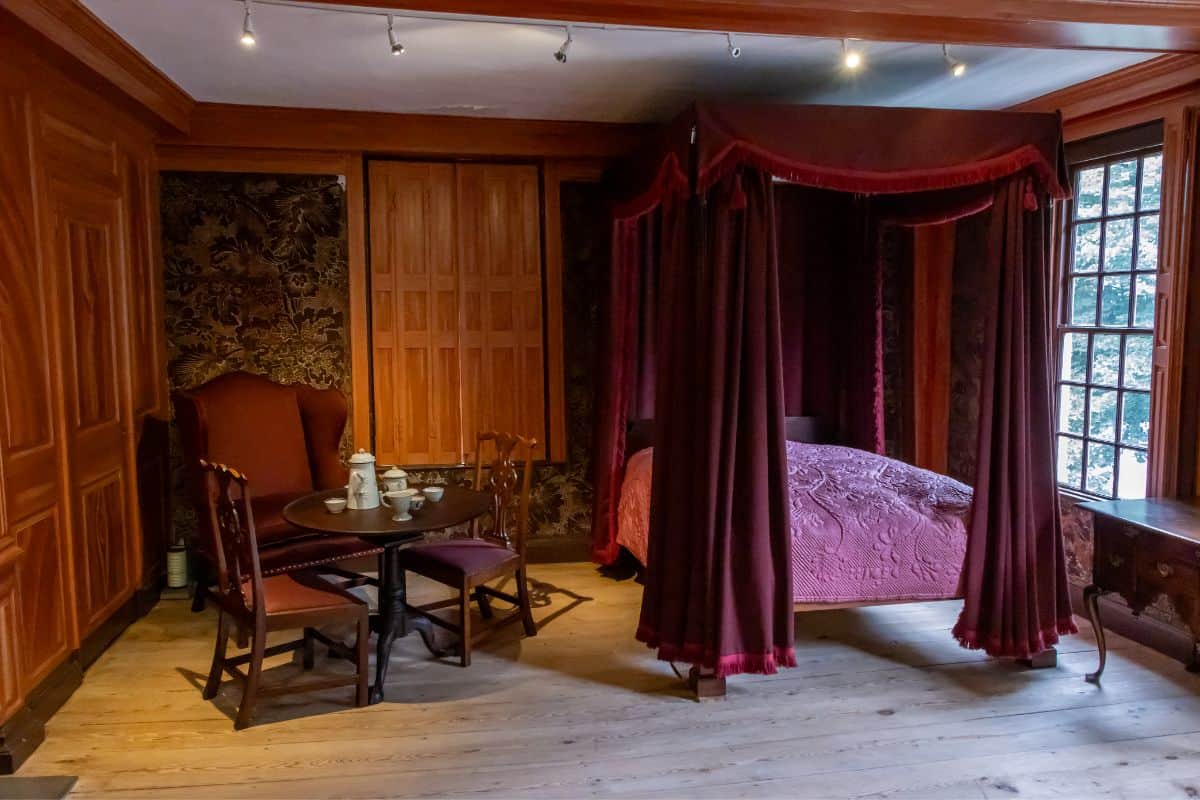
The museum also has two other houses you’ll be able to check out on the guided tour. The other two houses are the Silas Deane House and the Isaac Stevens House. Silas Deane was involved in events leading to the American Revolution as an attorney and a representative to the Colonial Assembly in Hartford.
In June of 1776, he was secretly in Paris securing French military supplies for the patriot cause. Because of this, he is known as the first U.S. diplomat. During your visit, you’ll get the full, tragic tale of Silas Deane.

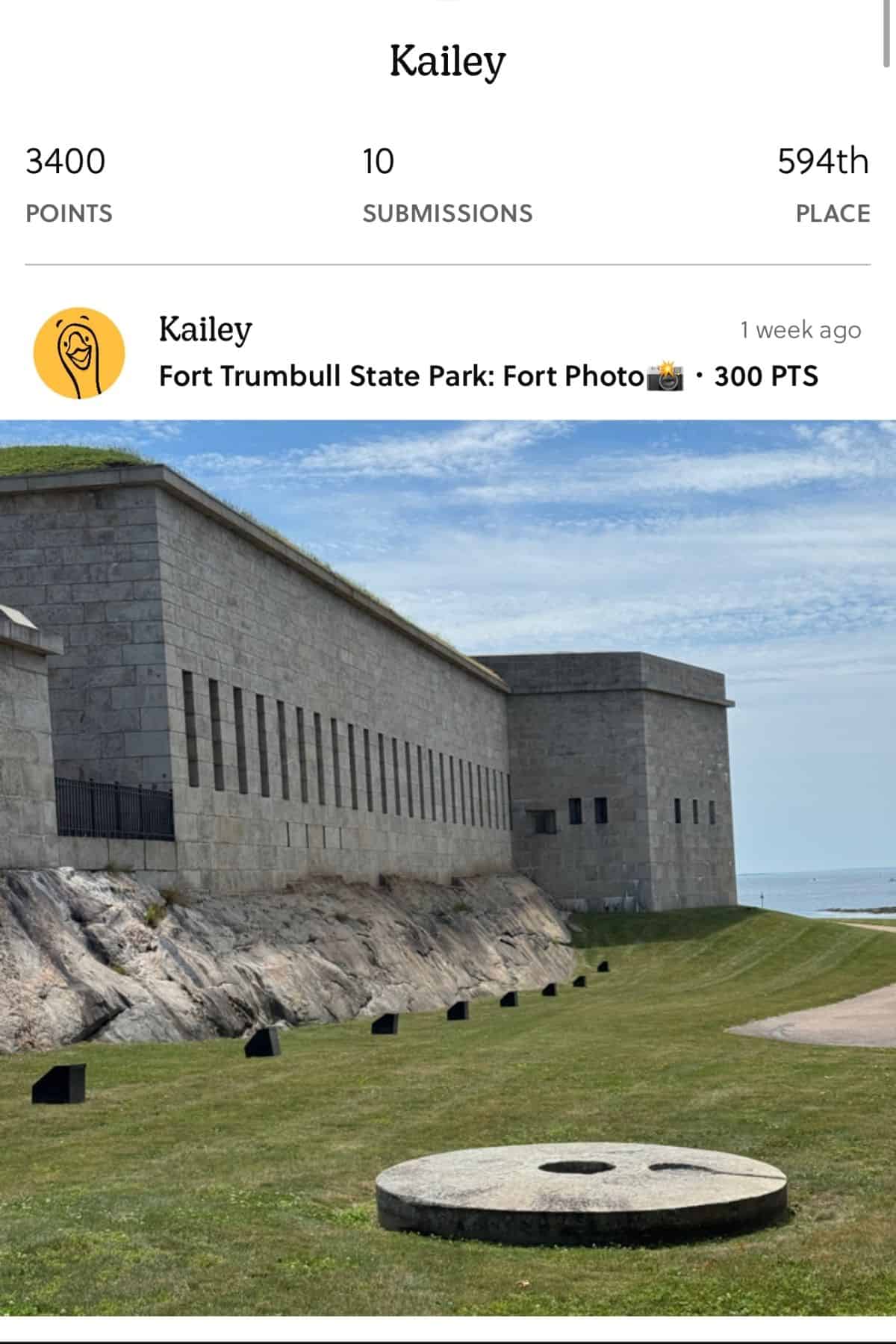
Fort Trumbull State Park
The original fort was built in 1777 and was named for Governor Jonathan Trumbull. Governor Trumbull thought that a fort should be built at the port of New London to protect the Connecticut government’s seat.
The fort was attacked in 1781 during the Revolutionary War by British forces that were under the command of traitor Benedict Arnold. The fort only had 23 men stationed there under the command of Captain Adam Shapley. The British forces successfully seized the fort during this attack.
You can read about this history in the museum that’s at the state park. There’s also a film inside the museum if that’s more your thing.
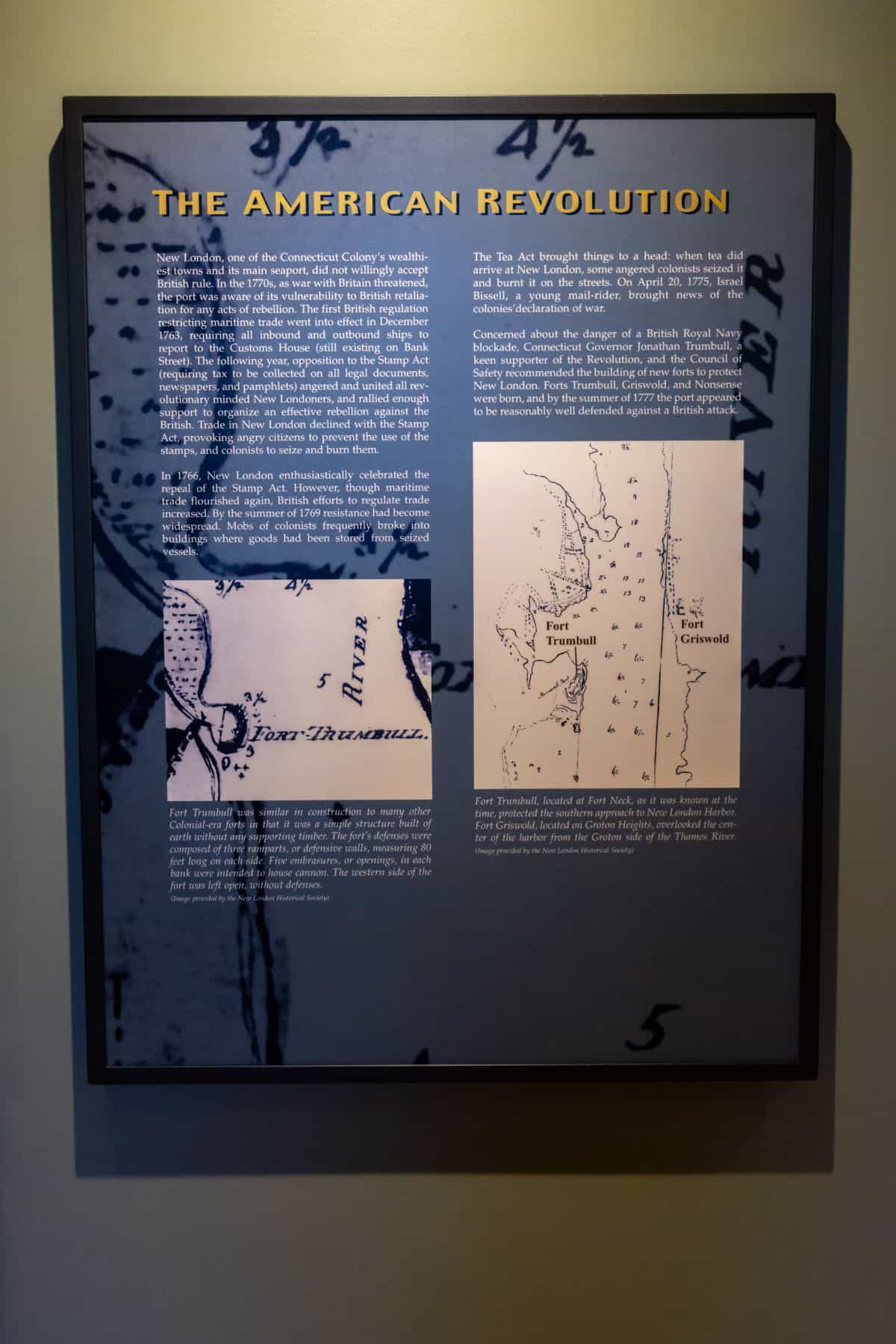
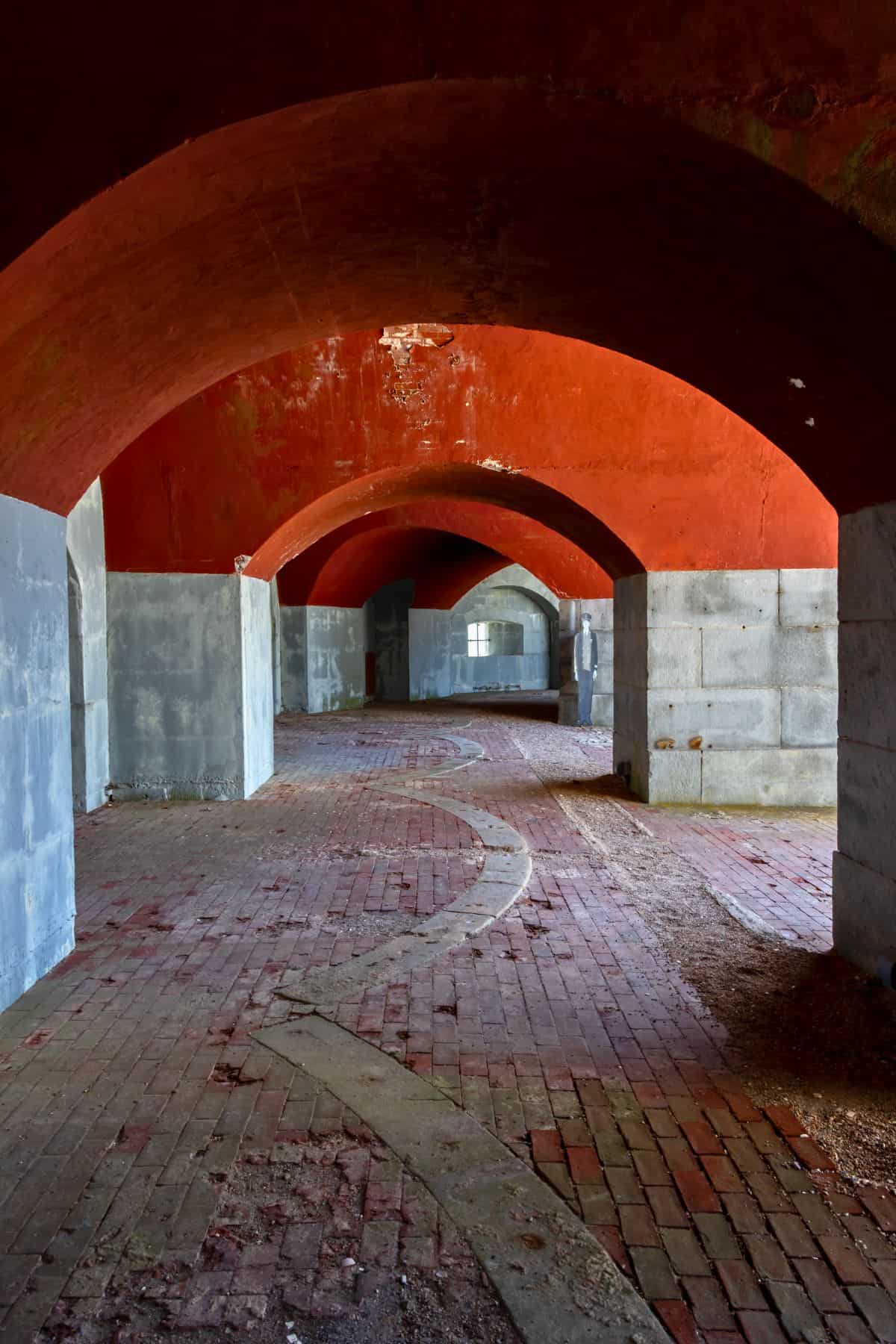
While the current fort structure that’s there doesn’t date back to the American Revolution, it’s still worth exploring during your visit. Entry into the fort is included with admission. There’s a lot to explore in both the museum and the fort, so I highly recommend paying to do both, especially because the price is extremely reasonable (under $10 per person). If you’re just looking to explore the grounds, that is free.
To make the most of your trip, discover more things to do in New London, Connecticut: Things To Do In New London, Connecticut
Fort Griswold Battlefield State Park
Fort Griswold Battlefield State Park is the site of the largest Revolutionary War battle in Connecticut, the 1781 British massacre of the colonial militia. The battle happened on September 6, 1781. Benedict Arnold led the British Forces during the attack on the fort. They captured the Fort and massacred 88 of the 165 American patriots stationed there, including Colonel Ledyard. This attack happened the same day as the attack on Fort Trumbull.

You can learn more about The Battle of Groton Heights on the Fort Griswold Battlefield State Park Foundation website.
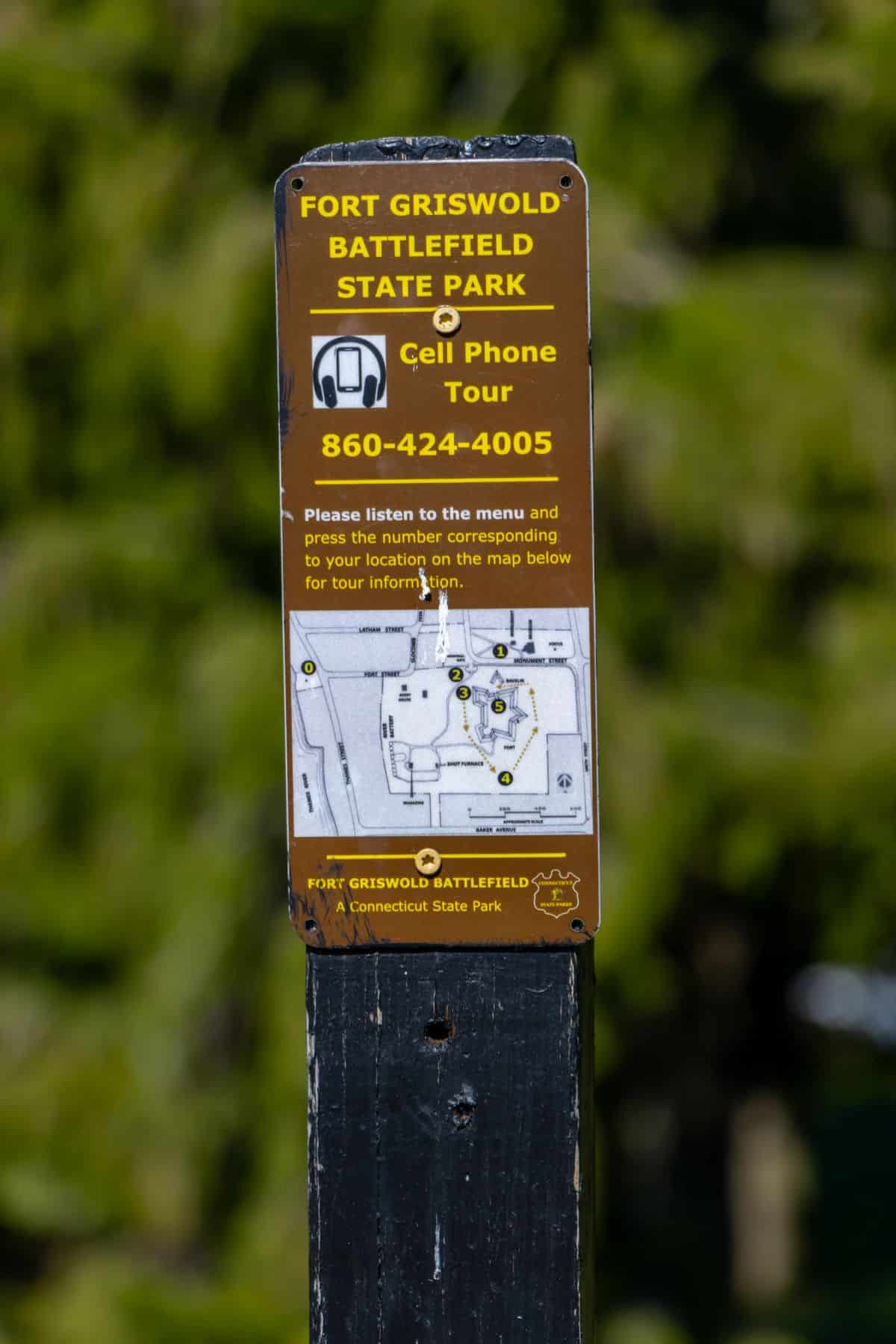
At the park, you can explore the grounds of the park, climb the 135-foot granite Groton Monument (which offers great views of the fort and battlefield), and check out the museum. There’s also an audio tour available in the park that you can access with your cell phone.
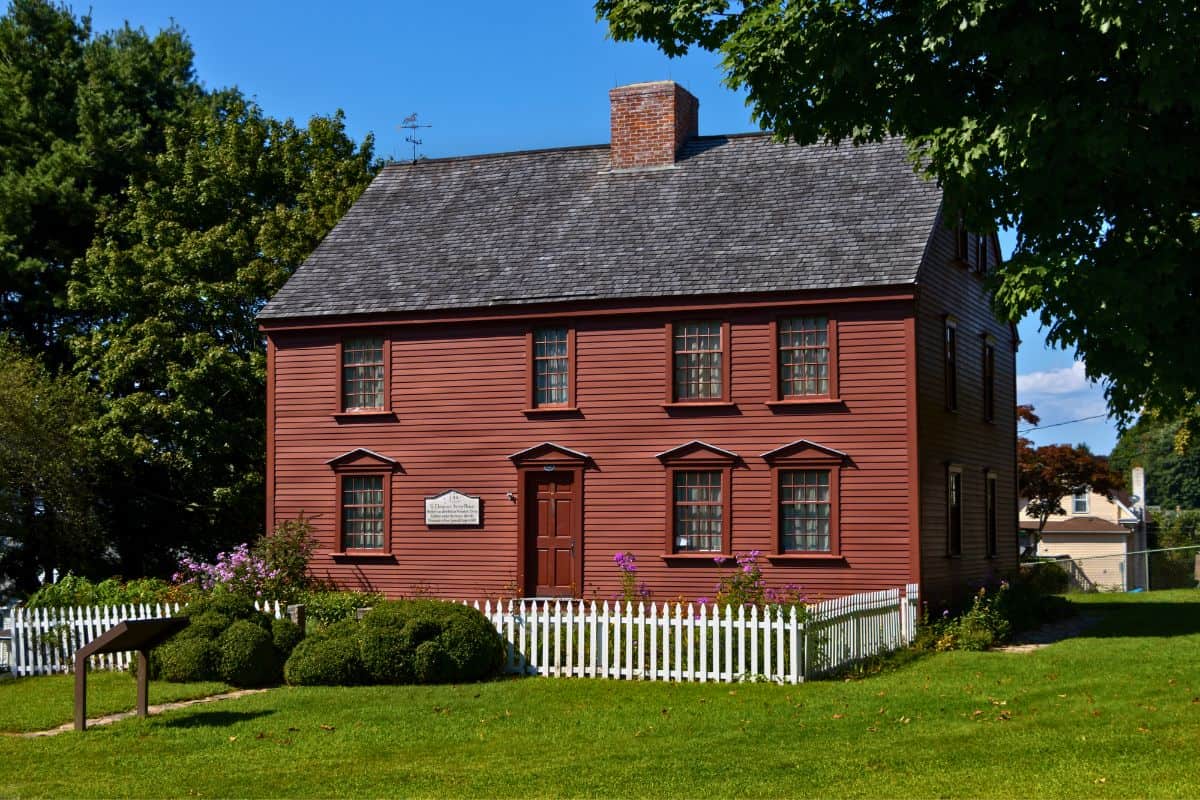
During your visit to the park, be sure to check out the Ebenezer Avery House, where wounded soldiers sheltered after the battle at the fort. You can read more about the history of the house and how to visit on the Avery Memorial Association website.
To make the most of your trip, discover more things to do in Groton, Connecticut: 10+ Things to do in Groton, CT
Bolton Heritage Farm
This farm has deep Revolutionary War significance. It’s a part of the Washington-Rochambeau Revolutionary Route National Historic Trail. French troops were called in to assist the colonists defeat the British. They arrived in Newport, Rhode Island and had to make their way to New York.
Bolton Heritage Farm was the site of the fifth camp along the route. On June 21, 1781, French soldiers arrived at the farm to set up camp. Over four days, four regiments of French troops each spent one night at the camp.
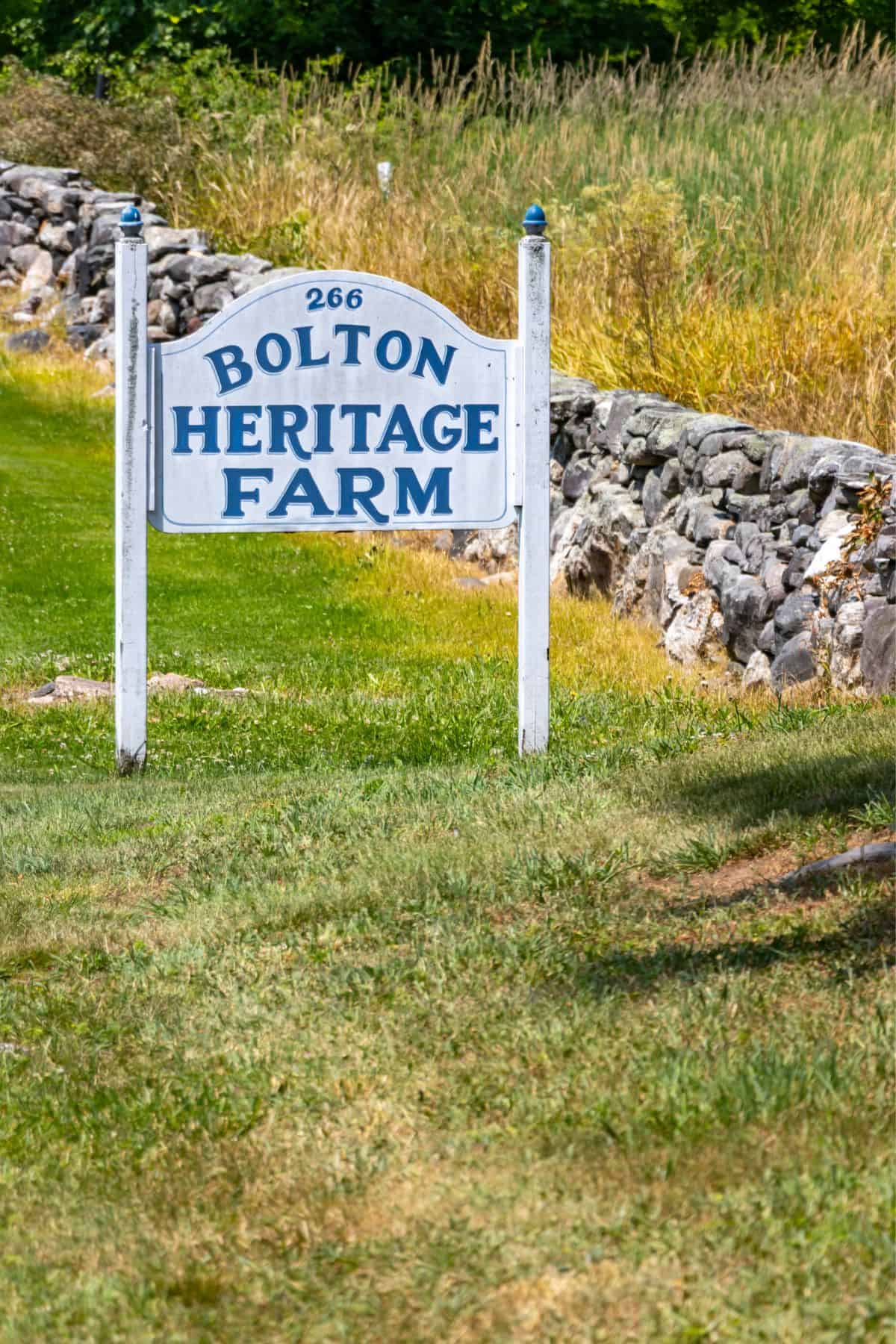
You can explore some of this history by reading the informational signs throughout the park and by walking the Rose Trail at Bolton Heritage Farm. You’ll see the site of the camp and some other points of interest along the trail.

Nathan Hale Homestead
Nathan Hale was one of America’s earliest spies. During the war, General George Washington needed intelligence on enemy troop movements. Nathan Hale volunteered to spy behind British lines by disguising himself as a schoolteacher seeking work. He was unfortunately captured and hanged by the British in September of 1776.
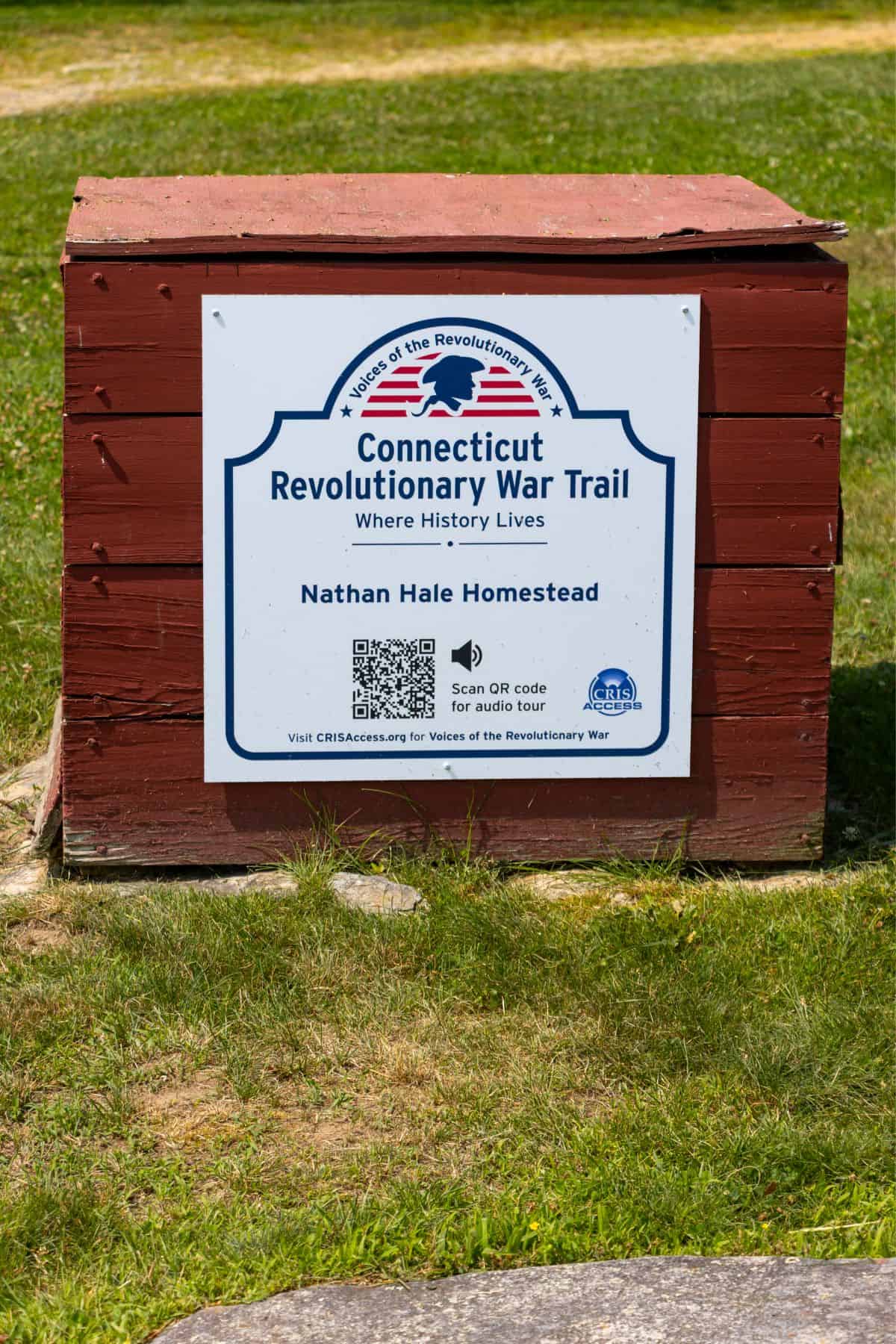
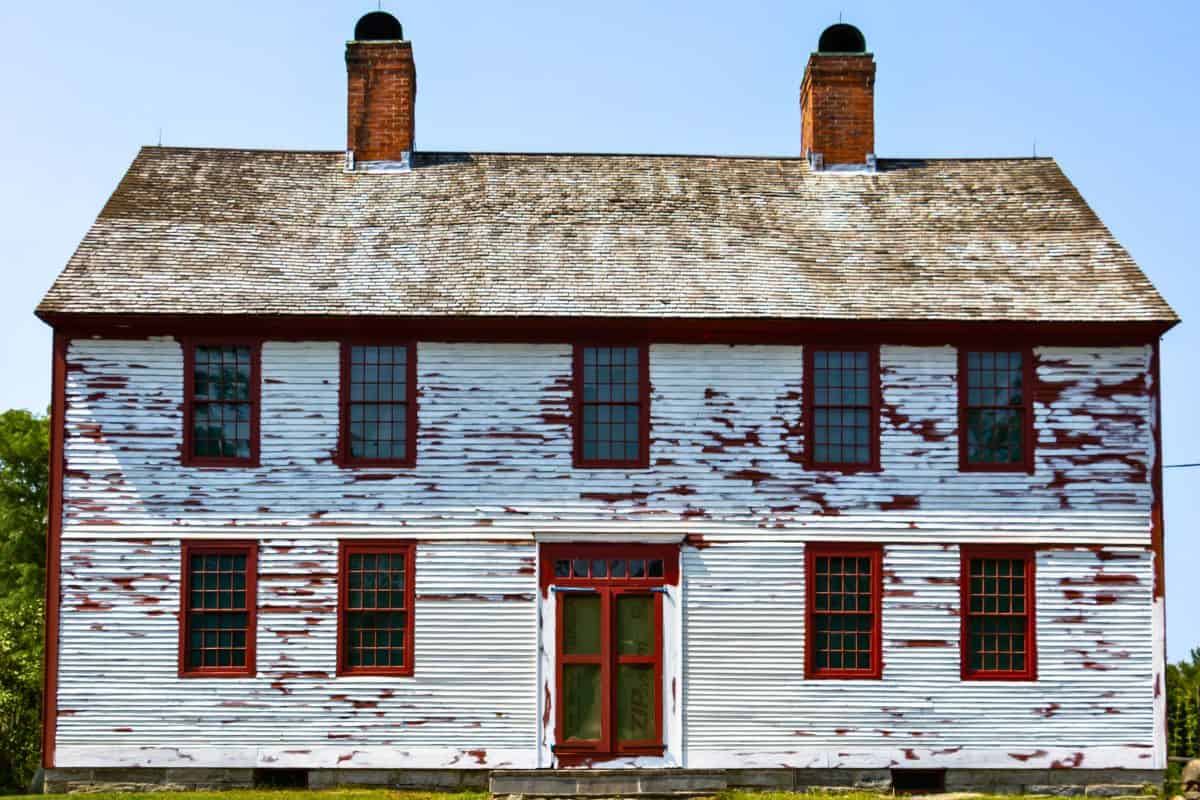
The house is open for tours May through October, Friday through Sunday. Right now, they are doing preservation work on the house. They’re doing window restoration, exterior painting, roof repairs, and more. These efforts are essential to making sure that this piece of history will last for future generations.
While they’re not on the Revolutionary War Trail, you can also visit the Nathan Hale Schoolhouses. There is one in East Haddam and one in New London. Nathan Hale taught at both schools before the war broke out. They have very limited hours because they are dependent on docents. However, they’re worth taking a stop at just to see even if they’re not open to go inside. I’ve visited both, but I haven’t gotten a chance to go inside either of them yet.
Thoughts On The Connecticut Revolutionary War Trail
First of all, I think it’s awesome that this new trail has been created. Connecticut and its people really did play a major role in the American Revolution and the U.S. gaining their independence. This trail is a great way to honor those people through education.
I loved that there is an audio tour piece to this trail. The QR codes with information are great. When I’m out visiting places, I sometimes get overwhelmed trying to read everything to the point where I won’t read anything. I thought having audio as an option was a great touch. I could listen to it as I looked at stuff.
Lastly, I think this is a great way to get people visiting these sites. I spend a ton of time visiting historic sites around Connecticut, but many people don’t even realize how many historic sites we have packed into this little state. Trails like this help bring attention to these important and interesting pieces of history. Most of these places are run by volunteers and visitors help get them money and/or grants to help preserve these pieces of history. I’m all for anything that helps keep these places going.
More Ways To Dive Into History This Year
If you’re looking for more ways to engage with Connecticut’s history around the state, you can also check out the America 250 CT Passport and the 2026 Sky’s The Limit Hiking and Walking Challenge. Many of the stops on the Connecticut Revolutionary War Trail are incorporated in the passport and walking challenge.
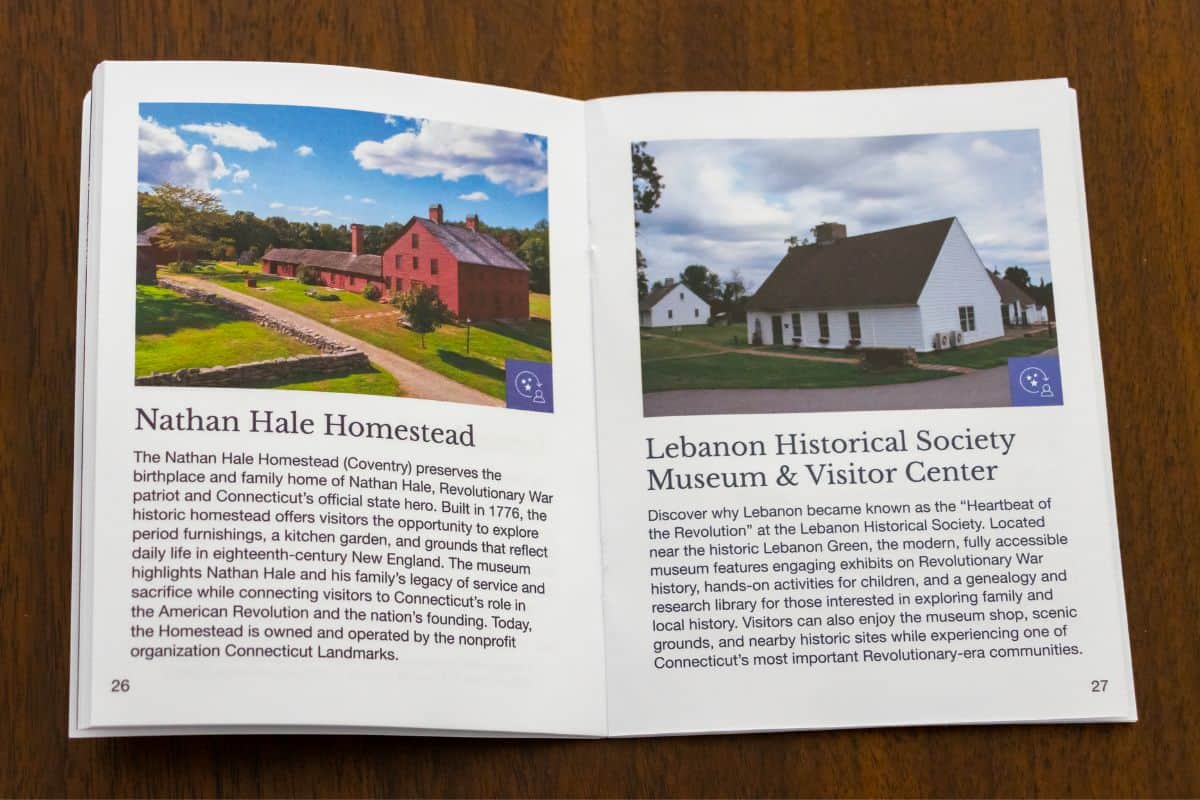
The America 250 CT Passport is a great way to discover spots to learn about the state’s revolutionary heritage around the state. I got my physical copy of the passport while I was visiting the Webb Deane Stevens Museum.
The 2026 Sky’s The Limit Hiking and Walking Challenge features 20 different hikes, with potentially more coming later in the year. To participate, you’ll download the Goosechase app, which is where you’ll complete the missions.
As you complete missions, you’ll earn points that may result in getting a prize! It’s a fun way to celebrate the nation’s 250th anniversary. So far, all of my submissions have been from my travels along the Connecticut Revolutionary War Trail.



I loved this post! I will definitely need to check out this revolutionary trail sometime soon!
Glad you enjoyed this post! The trail is definitely worth checking out, there’s a ton of history to explore.